
What’s In This Guide
A door can look like a simple painting project until the new coat starts sticking, chipping around the knob, or highlighting dents and old brush marks. When homeowners search for door painting near me, the real need is often more than fresh color. Durable results depend on the condition of the door, its frame, existing coating, hardware, and exposure.
In West Hartford, that can mean treating an interior bedroom door differently from a weather-facing entry door or painted garage door. The right process starts with inspection, not a paint can.
Quick Facts
- Door painting usually lasts longer when cleaning, sanding, repairs, and primer are handled before the finish coat.
- Frames and trim need separate attention because joints, edges, caulk lines, and high-contact areas wear differently.
- Hinges, knobs, weatherstripping, and other hardware should be removed or carefully protected rather than painted over.
- Primer choice depends on the surface and existing coating, especially when dealing with stains, bare material, or adhesion concerns.
- Paint for doors and frames should match the location, substrate, traffic, and desired sheen instead of relying on one product for every door.
Why a Quick Coat Often Fails
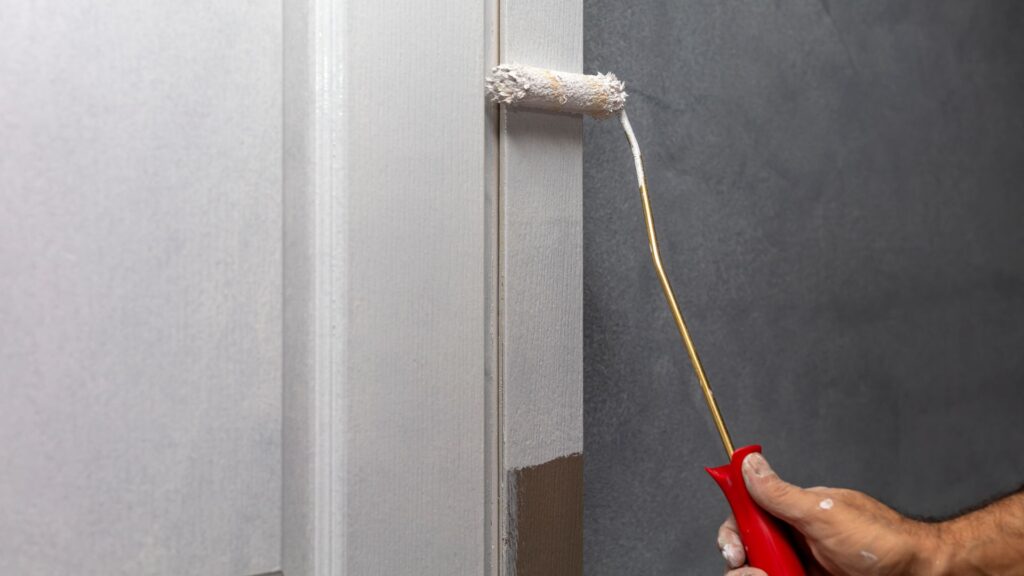
Doors are high-contact surfaces subject to daily stress, while exterior doors also face severe weather. Proper surface prep is essential for entry doors, where following a front door painting preparation process in West Hartford addresses weathering, adhesion issues, and worn finishes before repainting.
Common warning signs include peeling at the edges, glossy old paint that feels slick, cracks around frame joints, dents, visible stains, and paint buildup near hinges or latches. Applying another coat without correcting those conditions can leave the underlying problem in place.
How to Prepare Doors and Frames for Painting
A careful door-painting process usually follows these steps.
- Inspect the door and frame. Identify loose paint, damage, stains, failing caulk, rust on metal components, and areas where the door rubs.
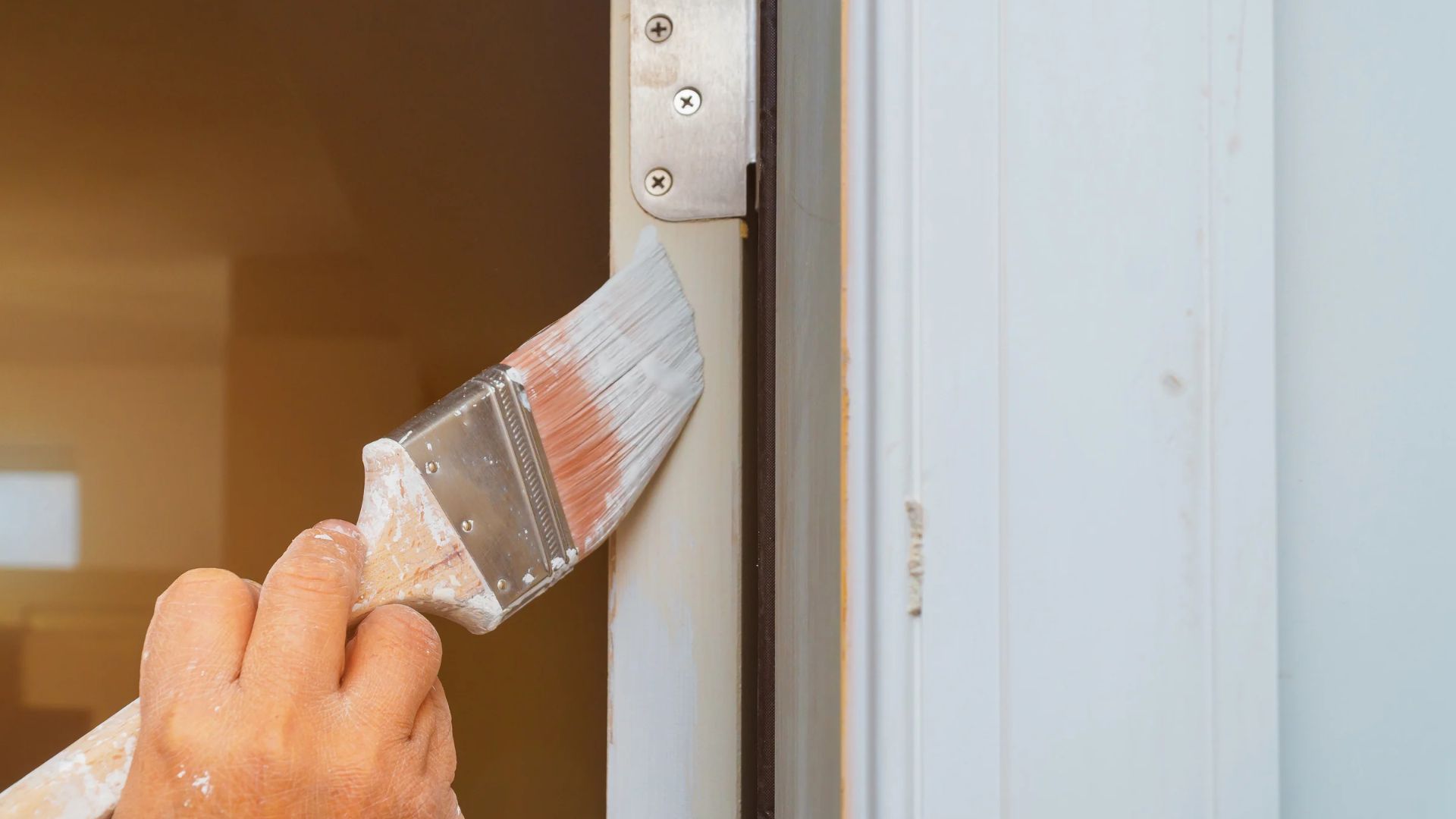
- Remove or protect hardware. Taking off knobs, locksets, strike plates, and removable hardware helps create cleaner edges. Hinges that stay in place should be masked carefully.
- Clean the surface. Dirt, hand oils, and residue can interfere with adhesion. The surface should be clean and dry before sanding or coating.
- Sand and repair. Scuff glossy finishes, feather rough paint edges, fill dents or holes with a suitable filler, and smooth repairs before priming.
- Prime where needed. Bare areas, patched spots, stains, difficult existing finishes, and some metal or specialty surfaces may need an appropriate primer.
- Apply the finish evenly. Thin, controlled coats help reduce runs along panels, edges, and profiles. Allow the coating to dry and cure according to the paint manufacturer's instructions before heavy use.
For pre-1978 homes, disturbing painted surfaces risks lead dust exposure. EPA rules require certified contractors for work that disturbs paint in pre-1978 housing. Homeowners planning to paint an older house with potential lead paint should verify safety requirements before scraping or sanding.
Doors, Frames, and Hinges Need Different Attention
The jamb, casing, stop, and trim affect the overall look of painted doors. Similar attention to surrounding surfaces matters when painting ceilings for a smooth, consistent finish, as uneven preparation makes flaws more visible.
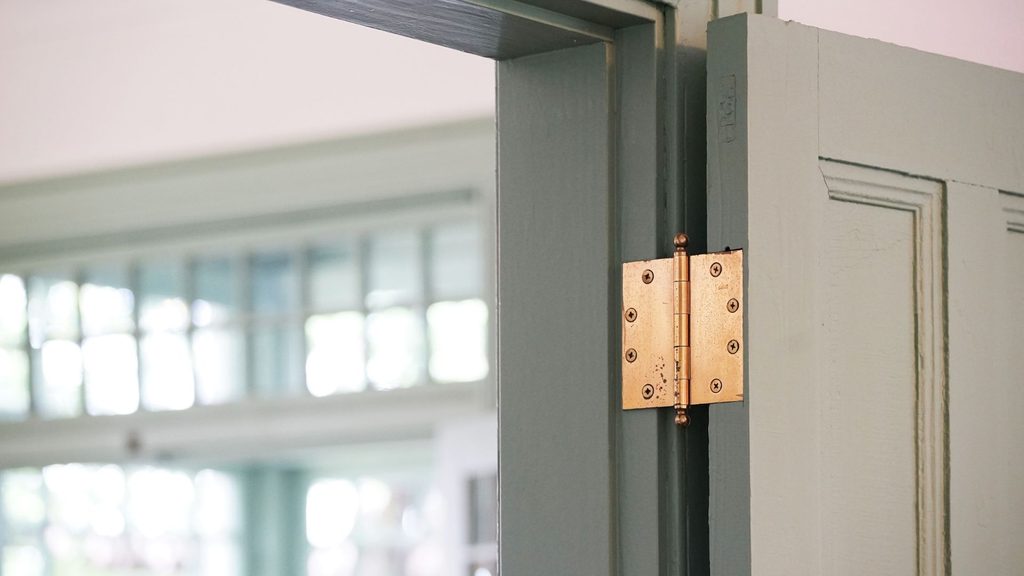
Frames also contain joints and narrow contact points where paint can crack or build up. Excess coating around the stop or latch area may affect how the door closes. Painting directly over hinge leaves or screw heads can make future hardware maintenance more difficult and often produces uneven edges.
This is why paint for doors and frames should be selected as part of a system, not as a color decision alone.
Choosing a Finish for Interior and Exterior Doors
Interior doors benefit from washable finishes that withstand daily use. Higher-sheen paints highlight surface flaws, making proper preparation essential. Businesses planning commercial painting in West Hartford, CT, should choose durable finishes and schedule door and frame painting to minimize operational disruptions.
Exterior doors need coatings intended for the door’s material and exposure. Wood, metal, and previously coated surfaces may require different primers or finish products. When hiring a garage door painter or searching for a front door painting service near me, homeowners should also consider broad panels, joints, existing factory finishes, and the door manufacturer’s coating requirements.
When comparing a front door painting service near me, ask how the contractor evaluates substrate, existing paint, weather exposure, hardware, and frame condition before recommending a coating.
Frequently Asked Questions
Can you paint a door without removing it from the hinges?
Yes. Many doors can be painted in place when there is enough access to prepare and coat the surface properly. Removal may be more practical when both sides need extensive work, hardware access is limited, or keeping the door off the frame while the coating dries helps prevent sticking or contact with the jamb.
How long should you wait before closing a freshly painted door?
Wait until the coating has dried and cured enough to resist sticking or imprinting. The exact time depends on the paint, temperature, humidity, coat thickness, and manufacturer instructions. Avoid forcing the door closed while the finish is still soft.
Can you paint over a factory-finished metal door?
Sometimes. The existing finish should be clean, firmly bonded, and compatible with the new coating system. Glossy or damaged factory finishes may need scuffing, spot preparation, and a suitable bonding primer before repainting.
Should weatherstripping be removed before painting an exterior door?
When practical, removable weatherstripping should be taken out or carefully protected so paint does not bridge, stiffen, or stick to it. Reinstall it only after the coating has dried enough to avoid damaging the finish.
Can doors with dents or gouges be painted without repairs?
They can be painted, but the defects will usually remain visible and may become more noticeable under a fresh finish. Filling dents or gouges with a suitable repair material and sanding the repaired areas before priming generally produces a smoother result.
Plan the Door, Frame, and Finish Together
West Hartford House Painting Experts assess doors, frames, and finishes for residential and commercial projects. For larger exterior repaints, understanding the cost to paint a two-story house exterior helps with budgeting.
Contact our team in West Hartford, CT, to discuss the scope before repainting.
Related Posts