
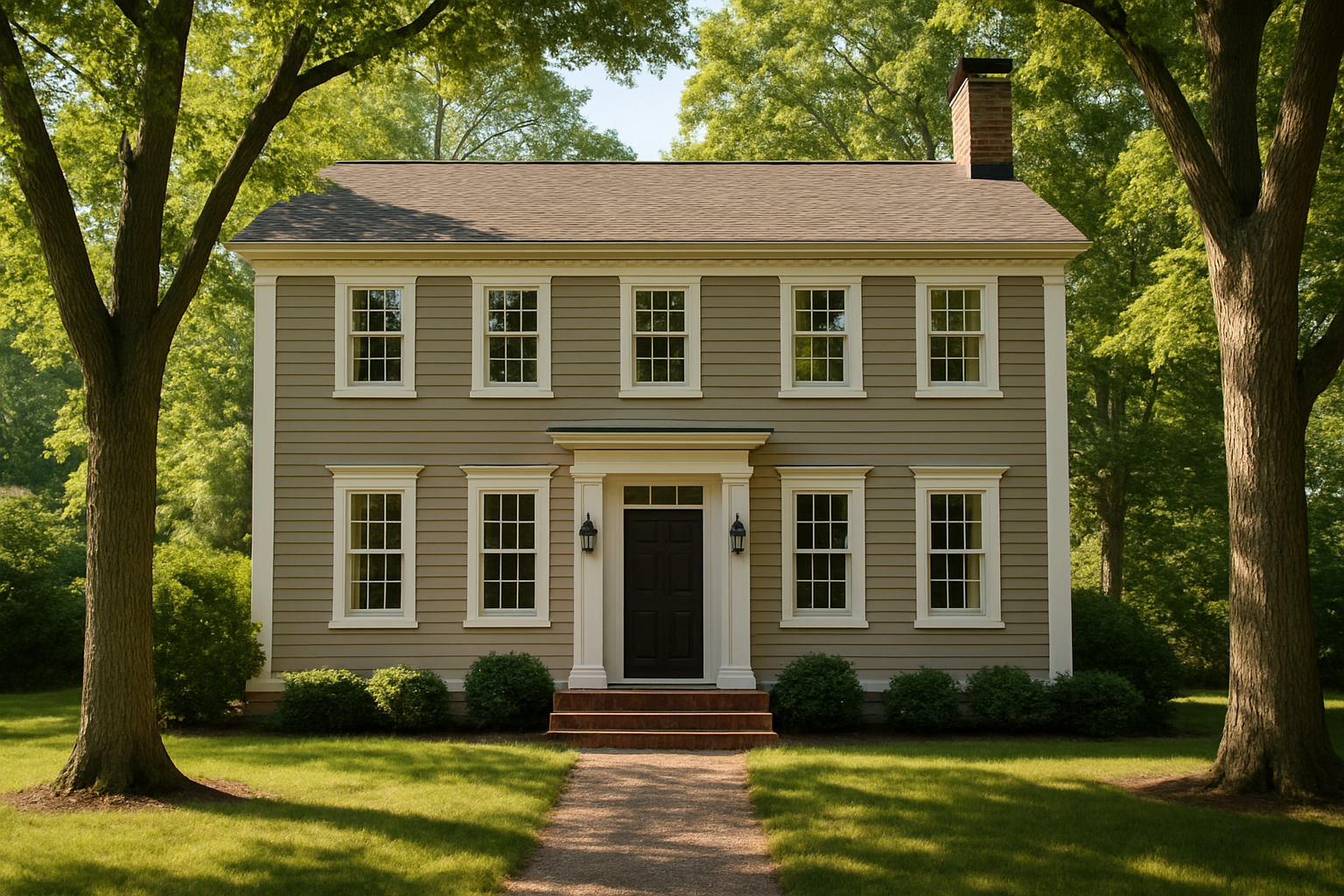
Choosing the best exterior paint colors for homes comes down to two essential factors. First, select colors that complement your home’s architecture. Second, choose hues that hold up in your local climate. Get both right, and your paint job can look sharp for a decade or longer.
Key Takeaways
- Neutral tones like warm whites, greiges, and navy blue consistently top resale and curb appeal rankings.
- Your home’s fixed elements—roof color, stonework, shutters—should guide your palette, not the other way around.
- Climate matters as much as aesthetics: lighter colors reflect heat, while darker tones absorb it and may fade faster in sun-heavy regions.
- Finish type (flat, satin, semi-gloss) affects both appearance and how well the surface resists moisture and dirt.
- Testing paint swatches on your actual exterior wall before committing is one of the most overlooked steps homeowners skip.
- Coordinating trim and accent colors with your body color makes the whole exterior look intentional, not patched together.
Table of Contents
- Why Color Choice Matters for Exterior Paint Colors
- Top Exterior Paint Color Palettes Right Now
- How to Match Best Exterior Paint Colors to Your Home’s Architecture
- Finish Types and Why They Matter Outside
- Climate Considerations for Best Exterior Paint Colors in New England
- Things to Know
Why Color Choice Matters for Exterior Paint Colors
Paint color is often treated as a purely aesthetic decision. However, it carries real consequences for your home’s value, energy performance, and long-term maintenance schedule. According to the National Association of Realtors, exterior improvements including paint rank among the highest-return projects for resale value. Curb appeal directly influences buyer perception before they step inside.
Beyond resale, color affects how much heat your home absorbs. Light-colored exteriors reflect more solar radiation. This reduces cooling loads in warm months. For homes in regions with variable climates like West Hartford, Connecticut, this matters significantly. Summers can push into the 90s°F and winters bring hard freezes.
Color also signals maintenance frequency. Darker shades on wood siding tend to show fading and chalking earlier. Additionally, very light colors on trim and soffits reveal dirt and mildew faster. Knowing these trade-offs before you commit saves you time and money down the road.
If you are already noticing wear on your current coat, reviewing 10 signs your homes exterior paint is failing before its obvious can help you determine whether a repaint is already overdue.
Top Exterior Paint Color Palettes Right Now
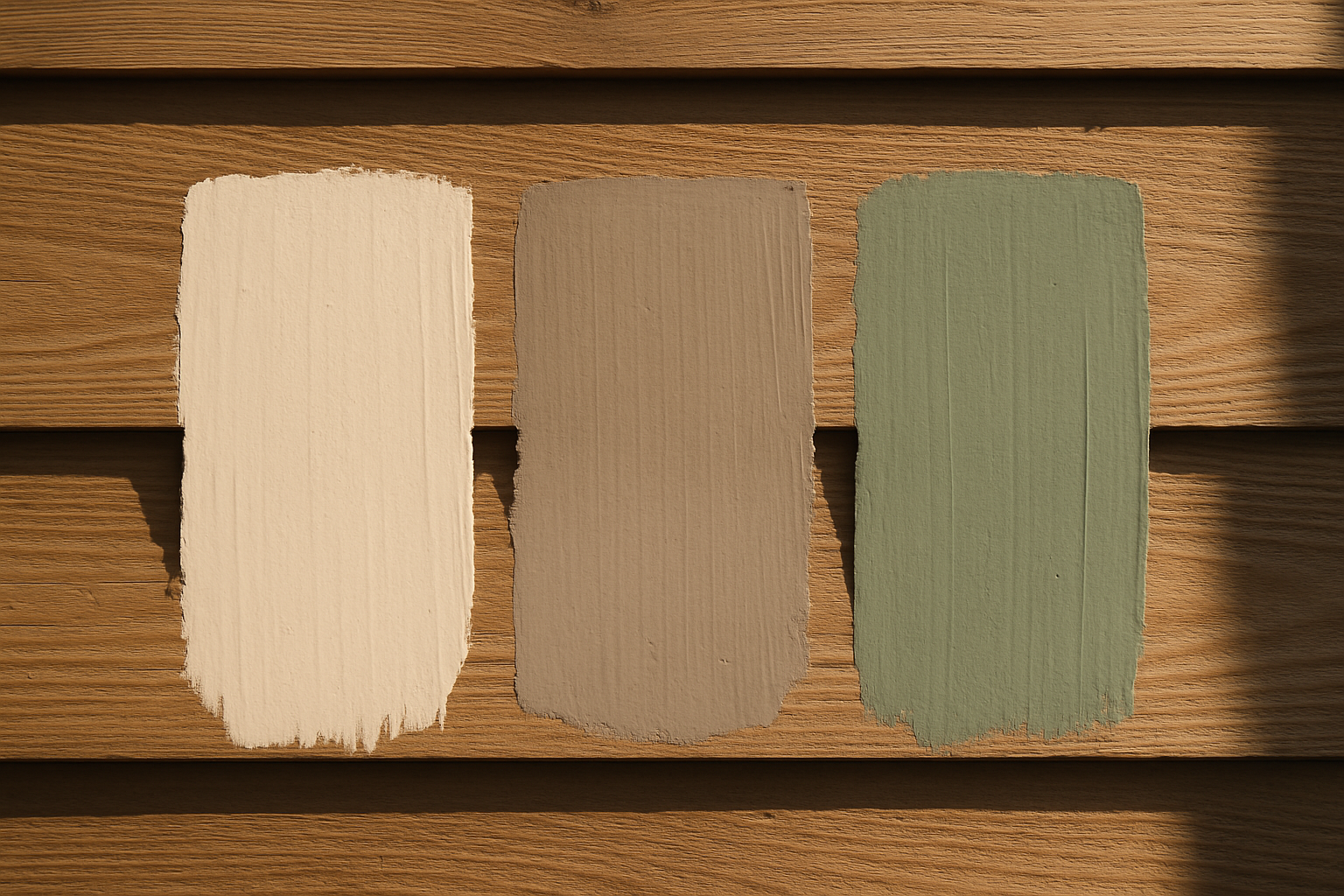
The best exterior paint colors for homes trend toward versatility. These colors look current without feeling trendy. They work with a wide range of architectural styles. Here are the palettes that consistently perform well both aesthetically and on the market.
Warm Whites and Creamy Tones
Warm whites remain the most popular choice across home styles. Examples include Cape Cods and modern farmhouses. They photograph well and age gracefully. Moreover, they pair easily with almost any shutter or trim color. Look for whites with yellow or beige undertones rather than stark cool whites. Stark cool whites can read as clinical or institutional against natural surroundings.
Greige (Gray-Beige Blends)
Greige is the workhorse of exterior palettes. It’s sophisticated, neutral, and pairs well with both traditional black shutters and contemporary charcoal trim. Furthermore, homeowners in established neighborhoods like West Hartford often gravitate toward greige. It respects the surrounding streetscape without disappearing into it.
Navy and Deep Blue
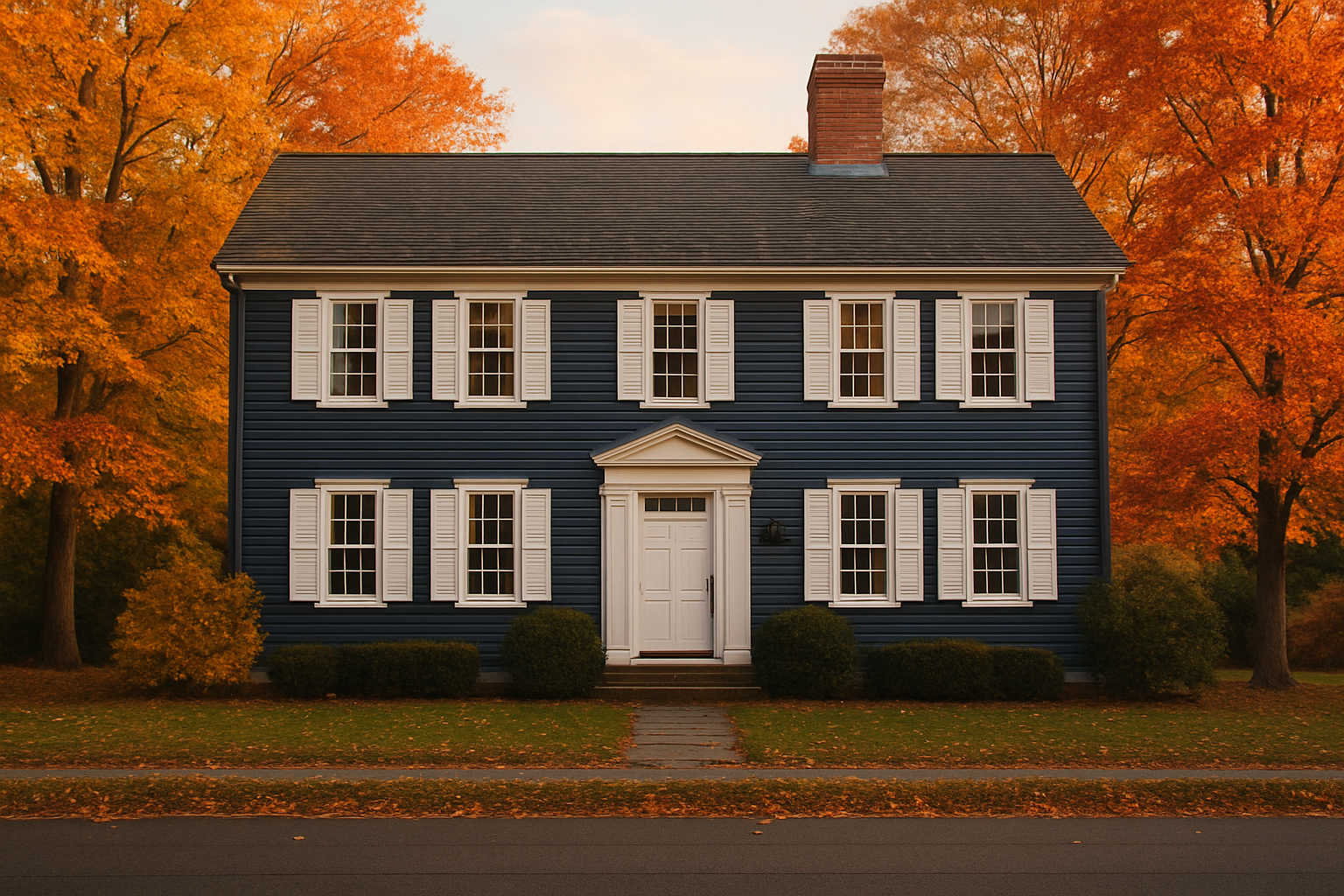
Deep blues, particularly navy, have held strong as a bold but classic exterior choice. They work especially well on Craftsman bungalows, Victorian homes, and newer construction with clean lines. Navy reads as confident without being aggressive. Additionally, it pairs well with white or cream trim.
Sage Green and Earthy Tones
Muted greens and earthy terracottas have gained real traction. Homeowners increasingly look for colors that connect with natural surroundings. These work particularly well on homes with significant landscaping or wooded lots.
Charcoal and Dark Gray
Dark gray or near-black exteriors have moved from contemporary showhouses into mainstream residential projects. They offer strong contrast for light-colored trim. Furthermore, they create a modern look on both new and renovated homes.
How to Match Best Exterior Paint Colors to Your Home’s Architecture
The single most common mistake homeowners make is choosing a color before considering their fixed architectural elements. Your roof color, brick or stone accents, foundation material, and window frame profiles are not going anywhere. Your paint needs to work with them.
A few reliable principles guide the selection:
- Warm roofs (brown, tan, weathered wood shingles): Pair with warm body colors like creams, tawny greiges, or sage greens. Therefore, avoid cool grays, which will clash.
- Cool roofs (charcoal, slate gray, black): These are the most flexible. They pair with nearly any body color. As a result, they’re ideal for homeowners who want a bolder hue.
- Brick accents: Brick has strong undertones, often red-orange or pink. Neutral body colors that pull from the brick’s undertones create cohesion. In contrast, avoid colors that fight the brick’s warmth.
When evaluating contractors for this kind of project, reading a painting contractors west hartford ct estimate review can give you realistic insight. You’ll understand what a professional assessment includes and what to expect from pricing conversations.
Finish Types and Why They Matter Outside
Color gets most of the attention. However, finish determines how a color holds up over time and how forgiving it is to clean.
| Finish Type | Sheen Level | Best Use | Trade-offs |
|---|---|---|---|
| Flat/Matte | None | Large siding surfaces | Hard to clean, shows dirt |
| Satin | Low-medium | Siding, general exterior | Good balance of washability and coverage |
| Semi-Gloss | Medium-high | Trim, shutters, doors | Highlights surface imperfections |
| Gloss | High | Front doors, metal accents | Very durable, very unforgiving on rough surfaces |
Satin is the most practical finish for the majority of exterior siding applications. It resists moisture better than flat finishes. Additionally, it’s easier to wipe down. Satin doesn’t accentuate surface irregularities the way semi-gloss does. Reserve semi-gloss and gloss for trim, doors, and any architectural detail where you want clean definition.
Climate Considerations for Best Exterior Paint Colors in New England
Connecticut’s climate puts real stress on exterior paint. Freeze-thaw cycles through winter expand and contract siding. This can cause paint to crack and peel faster than in milder climates. High summer humidity encourages mildew growth, particularly on north-facing walls that don’t get direct sun.
Timing your repaint around the weather calendar matters as much as product selection. Understanding when is the right temperature for exterior painting in west hartford can prevent adhesion failures before they happen.
For West Hartford and surrounding towns like Farmington, Glastonbury, and Avon, look for exterior paints rated for temperature flexibility and mildew resistance. These formulas are specifically engineered for high-humidity and freeze-thaw environments. Moreover, if you are budgeting for the project, it helps to understand how much does it cost to paint a house exterior in west hartford ct. This knowledge allows you to plan accordingly.
Things to Know
- Paint color cards inside a hardware store look nothing like they do on a full exterior wall in direct sunlight. Therefore, always test a large swatch outside before finalizing.
- HOA guidelines or historic district regulations in neighborhoods like West Hartford’s Blue Back Square area may limit color choices. Check before you buy.
- The number of coats applied matters as much as the color itself. One coat over a failing surface will not last, regardless of paint quality.
- Darker colors require more frequent touch-ups in high-UV areas, as they absorb more solar energy and fade faster.
- Trim color has an outsized effect on how your body color reads. Even a modest body color looks polished with well-chosen, clean trim.
Let West Hartford House Painting Experts Help You Choose the Right Color
Selecting the best exterior paint colors for your home is easier with professional eyes on the project. At West Hartford House Painting Experts, we work with homeowners across West Hartford, Bloomfield, Newington, Windsor, Manchester, Wethersfield, and surrounding Hartford County communities. We match colors to architecture, climate, and long-term maintenance goals. We are licensed, insured, and bonded. Your project is in capable hands from color consultation through final coat.
Request a free estimate today and get a clear, honest look at what your exterior project will take.
Frequently Asked Questions
Q: What is the most popular exterior paint color for houses in the U.S. right now?
Warm whites and neutral greiges consistently rank as the most widely chosen exterior colors. These tones work across architectural styles. They photograph well for listings and appeal to a broad range of buyers. Additionally, bold colors like navy blue and charcoal are growing in popularity. This is particularly true among homeowners who plan to stay long-term.
Q: Should my trim color be lighter or darker than my siding?
Lighter trim on a darker body color is the most traditional and visually clean approach. However, darker trim on a light body is increasingly common in contemporary designs. The key is contrast: enough separation between body and trim to define the architecture. This prevents the two colors from competing.
Q: How many exterior paint colors should a house have?
Most homes look best with three colors: one for the body, one for the trim, and one for the accent. Your accent could be the front door, shutters, or garage door. More than three colors can feel busy and visually fragmented. Fewer than three can make the exterior look flat and undefined.
Q: Does exterior paint color affect home temperature?
Yes, lighter colors reflect more solar heat while darker colors absorb it. This can influence cooling costs in summer. This effect is most pronounced on south- and west-facing walls that receive the most direct sun exposure. In a New England climate, heating loads often outweigh cooling. However, this trade-off is still worth considering.
Q: How long should a quality exterior paint job last in Connecticut?
A properly prepared and professionally applied exterior paint job in Connecticut typically lasts seven to ten years. Variation depends on product quality, surface prep, and exposure. North-facing walls and areas under heavy tree cover tend to develop mildew faster. Meanwhile, south-facing surfaces may fade sooner due to UV exposure. Regular inspection and prompt touch-ups extend the life of any paint job.