
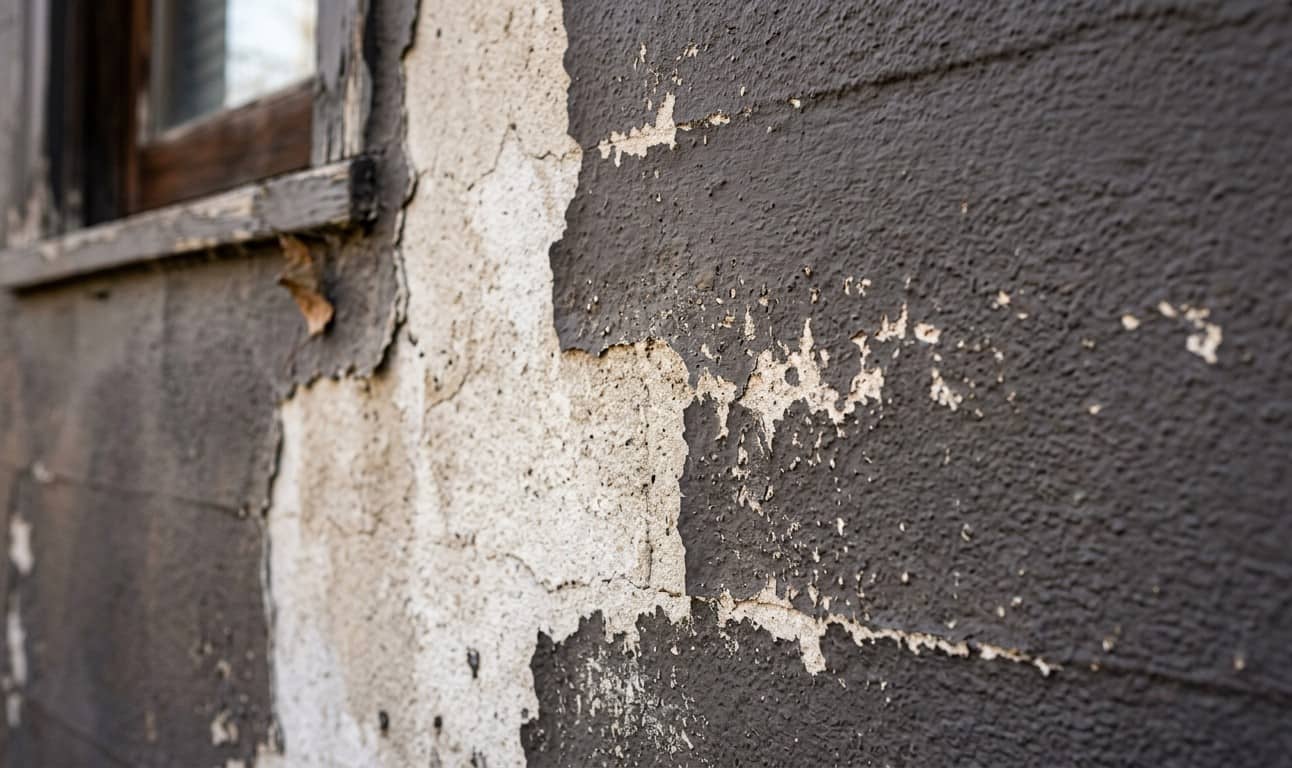
✔ Uneven fading often signals UV damage and weakening paint protection.
✔ Chalky residue indicates the paint binder is breaking down.
✔ Hairline cracks allow moisture to penetrate siding materials.
✔ Blistering or peeling paint usually means the coating has lost adhesion.
✔ Early inspections help prevent expensive repairs and structural damage.
Exterior paint does far more than improve curb appeal. It functions as a protective barrier that shields siding, trim, and structural materials from moisture, sunlight, and temperature changes. Over time, however, this protective layer begins to degrade. The problem is that the earliest signs of failure are often subtle and easy to miss.
In West Hartford, CT, homes are exposed to humid summers, freezing winters, and frequent precipitation. These conditions can accelerate exterior paint deterioration, making regular inspections especially important for homeowners in the area.
The good news is that paint rarely fails overnight. Before peeling, cracking, or bare wood appear, your home typically shows early warning signs. Recognizing these signs early allows homeowners to address problems sooner, protect their siding, and avoid more expensive repairs.
Exterior paint rarely fails all at once. In most cases, subtle warning signs appear first, signaling that the protective coating is beginning to break down. Identifying these early issues can help prevent moisture damage, extend the life of your siding, and reduce long-term repair costs.
In West Hartford, CT, seasonal sun exposure, humidity, and temperature swings can accelerate paint deterioration, making early detection especially important for local homeowners.
Uneven fading is often the first visible sign of paint deterioration. Sun exposure breaks down pigments, causing certain areas to look dull or patchy while shaded sections retain their original color. This indicates the coating is losing both its appearance and protective strength.
This is especially common for homes needing exterior house painting in West Hartford, CT, where sun exposure varies across different sides of the home.
A chalky film on the surface signals that the paint’s binding agents are breaking down. If rubbing the siding leaves powder on your hand, the coating is deteriorating and no longer providing full protection against moisture.
Fine cracks form when paint loses flexibility and can no longer expand and contract with temperature changes. These small openings allow moisture to penetrate beneath the surface, leading to more serious damage over time.
Blisters appear when moisture or heat becomes trapped under the paint film. This separation weakens adhesion and often leads to peeling, exposing the underlying material to the elements.
Peeling typically begins along trim, joints, and edges where moisture collects and movement occurs. Even minor lifting in these areas can quickly spread if left unaddressed.
Homeowners looking for exterior painters in West Hartford, CT often notice early peeling in these high-stress areas before larger paint failure develops.
Damaged caulk around windows, doors, and joints allows water to seep behind painted surfaces. This hidden moisture intrusion often accelerates paint failure in surrounding areas.
As wood expands and contracts, aging paint can pull away along the grain. These gaps create entry points for moisture, increasing the risk of swelling, cracking, and rot.
Dark streaks or green patches indicate moisture retention on the surface. Persistent growth often means the paint is no longer effectively protecting against environmental exposure, especially in humid or shaded areas.
A rough, brittle surface suggests the paint film is breaking down. As protective resins degrade, dirt and debris cling more easily, reducing both durability and cleanability.
When paint becomes porous, it absorbs dirt and contaminants instead of repelling them. If stains remain after cleaning, the protective barrier has likely weakened.
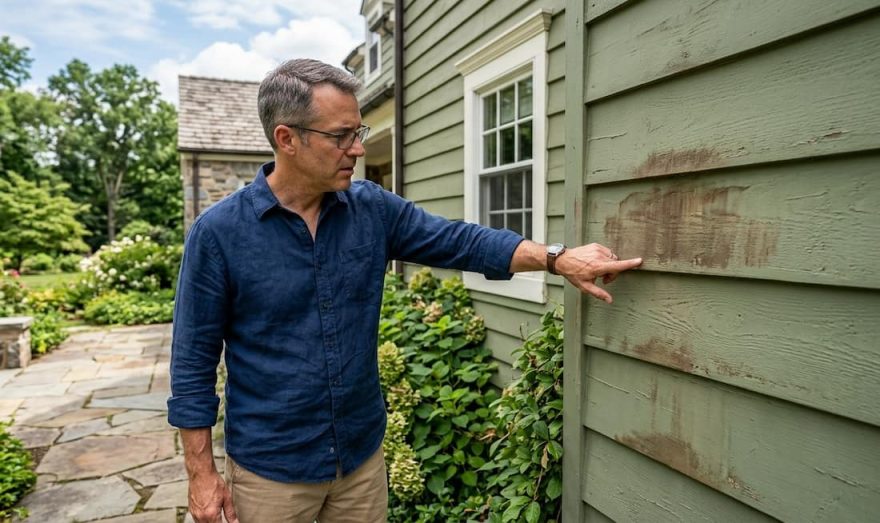
Regular inspections help catch early paint failure before it leads to moisture damage or costly repairs. Focus on high-exposure areas and visible surface changes that indicate the coating is breaking down.
Walk around your home during daylight to spot fading, cracks, and uneven color. Natural light makes surface issues easier to see.
Check south- and west-facing walls, trim, and window frames first. These areas receive the most sun and weather exposure, so deterioration typically appears here earliest.
Rub the siding with your hand or a dark cloth. A powdery residue indicates the paint is breaking down and losing its protective ability.
Look for cracked caulk, gaps, or peeling along joints and trim. These areas allow moisture to enter and often show early signs of failure.
Inspect around gutters, downspouts, and near the foundation where water collects. Paint breakdown often starts in areas exposed to repeated moisture.
Exterior paint acts as the first line of defense against weather and moisture. Once the protective coating fails, the underlying siding becomes vulnerable.
Early intervention helps prevent wood rot, structural deterioration, and costly repairs. Repainting before significant damage occurs can extend the lifespan of siding materials and maintain the home’s appearance.
Exterior maintenance and curb appeal improvements can also influence buyer perception, helping a home look better cared for and more market-ready.
Exterior paint typically fails early due to prolonged sun exposure, moisture intrusion, poor surface preparation, or low-quality paint materials. Homes in climates with freeze-thaw cycles, humidity, and seasonal storms often experience faster paint deterioration because surfaces repeatedly expand and contract.
Paint is still protective if the surface remains smooth, intact, and firmly adhered to the siding. Warning signs of reduced protection include chalky residue, hairline cracking, blistering, or paint pulling away from seams and edges.
Experts recommend inspecting your home’s exterior at least once or twice per year, typically in spring and fall. Regular inspections help identify early paint deterioration before it leads to moisture damage or structural repairs.
Yes. Exterior paint acts as a moisture barrier. When paint cracks or peels, water can penetrate siding, trim, and wood components. Over time, this can lead to wood rot, mold growth, and costly structural repairs
Many homeowners choose to work with professional house painters in West Hartford, CT to ensure proper preparation and longer-lasting results.
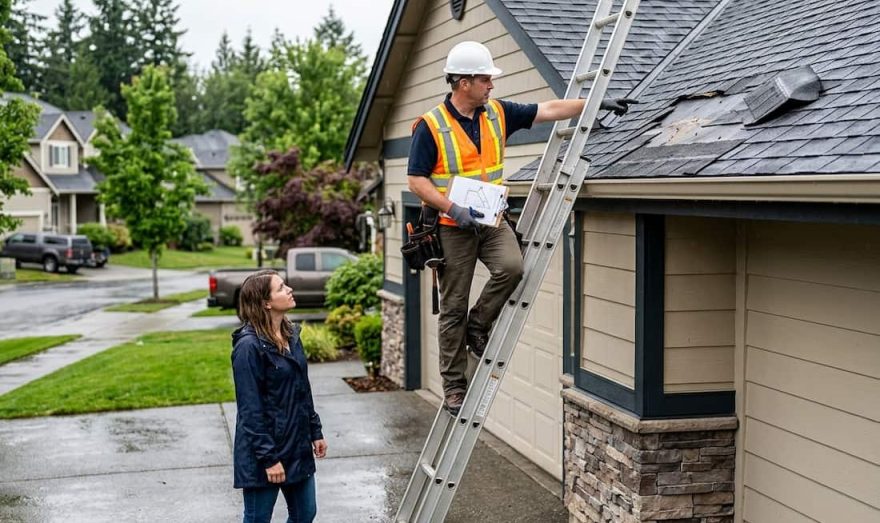
Exterior paint problems rarely appear all at once. In most cases, subtle warning signs develop months or even years before major peeling or damage becomes visible.
Recognizing these early indicators helps protect siding, prevent moisture intrusion, and maintain the overall condition of your home.
If you’re seeing fading, chalking, cracking, or peeling, West Hartford House Painting Experts can help you determine the right next step. Our experienced exterior painters in West Hartford, CT provide detailed inspections, proper surface preparation, and long-lasting repainting solutions.
Request your free estimate today and protect your home before minor paint issues turn into costly repairs.