
What’s In This Guide
- What Weather Conditions Should Delay Exterior Painting?
- Which Parts Of Your Home Should Be Checked Before Painting?
- How Can Homeowners Prepare Before Exterior Painting Begins?
- What Should Be Included In A Professional Exterior Painting Schedule?
- What Questions Should You Ask About Weather Before Approving The Project?
- How Can Homeowners Extend The Life Of An Exterior Paint Job?
- Why Is It Better To Schedule Exterior Painting Before Paint Starts Failing?
- Frequently Asked Questions (FAQs)
- Schedule Your Exterior Painting Project With West Hartford House Painting Experts
Exterior painting involves more than choosing a warm, sunny day. Exterior painting temperature, humidity, surface conditions, and the weather forecast all influence how well paint adheres and cures. In West Hartford, CT, where spring and fall weather can change quickly, planning around local conditions helps improve finish quality and long-term durability.
Quick Facts
- Exterior painting is best scheduled during stable weather with dry surfaces and temperatures that support proper curing.
- Rain, high humidity, strong winds, and cool overnight temperatures can reduce paint adhesion and finish quality.
- Inspect siding, trim, caulk, and painted surfaces before requesting an estimate to identify needed repairs.
- A detailed painting schedule should explain preparation, application, cleanup, and how weather delays will be managed.
- Routine maintenance and early repainting help extend the life of your exterior paint and reduce future repair costs.
What Weather Conditions Should Delay Exterior Painting?
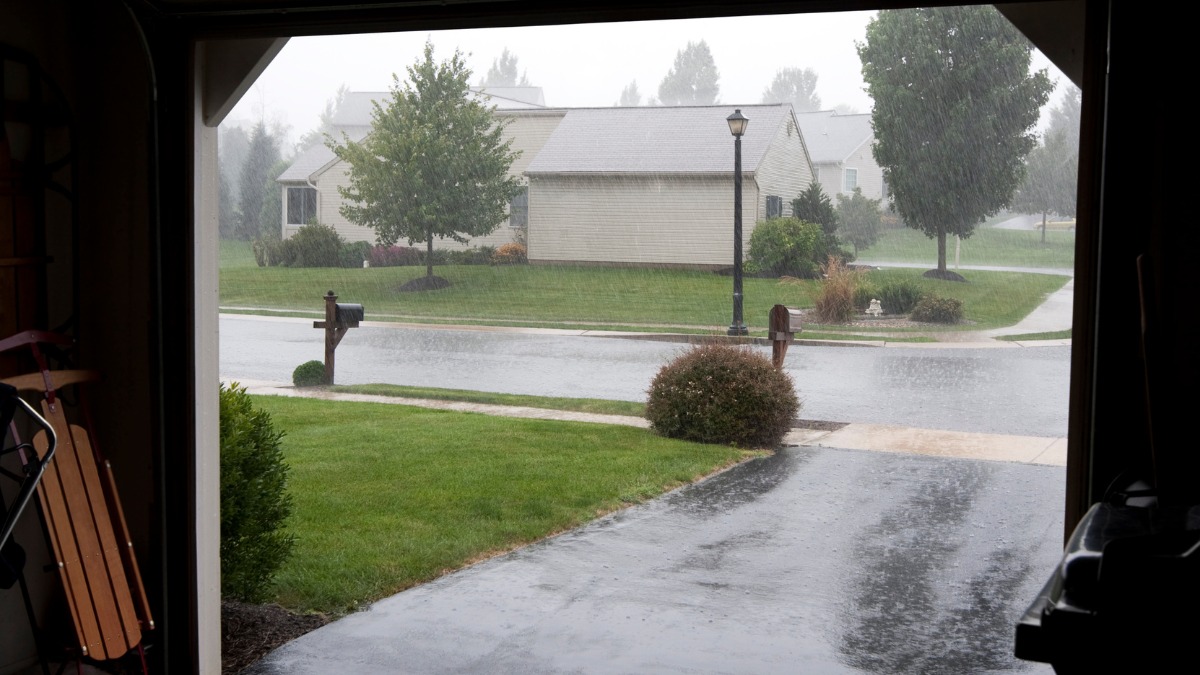
Exterior paint temperature is only one factor. Even when daytime temperatures meet the paint manufacturer’s recommendations, overnight lows, humidity, wind, and surface moisture can all influence how well the coating cures and performs.
Consider postponing exterior painting if:
- Rain is expected before the paint has time to cure.
- Morning dew leaves siding or trim damp for several hours.
- Humidity remains consistently high throughout the day.
- Strong winds can blow dust, pollen, or debris onto wet paint.
- Overnight temperatures are expected to fall below the product’s recommended curing range.
Waiting for more favorable conditions can help reduce the risk of peeling, blistering, or uneven finish quality.
Which Parts Of Your Home Should Be Checked Before Painting?
Walking around your property before requesting an estimate can help identify areas that may require additional preparation or repairs. South-facing walls, shaded siding, and areas exposed to frequent moisture often weather differently and may need extra attention before painting begins.
Pay close attention to:
- Peeling or flaking paint
- Cracked or missing caulk around windows and doors
- Soft or deteriorated wood trim
- Water stains beneath gutters or rooflines
- Mildew or algae on shaded siding
- Nail pops or exposed fasteners
- Areas where previous repairs have begun to fail
Pointing out these conditions during the estimate helps create a more accurate scope of work.
How Can Homeowners Prepare Before Exterior Painting Begins?
Taking a few simple steps before the painters arrive helps the project run more smoothly while protecting your landscaping, outdoor furniture, and other exterior features.
Before work starts:
- Move patio furniture, grills, and potted plants away from the house.
- Trim shrubs and tree branches that touch siding or trim.
- Unlock gates that provide access to the work area.
- Close windows and doors before washing or painting begins.
- Remove delicate wall decorations or hanging fixtures from exterior walls.
- Let the contractor know about pets, security systems, or irrigation schedules that could affect the work.
Completing these tasks ahead of time allows painters to focus on preparation and application instead of site logistics.
MORE ON THIS TOPIC: Exterior Paint Failure Signs Homeowners Should Catch
What Should Be Included In A Professional Exterior Painting Schedule?
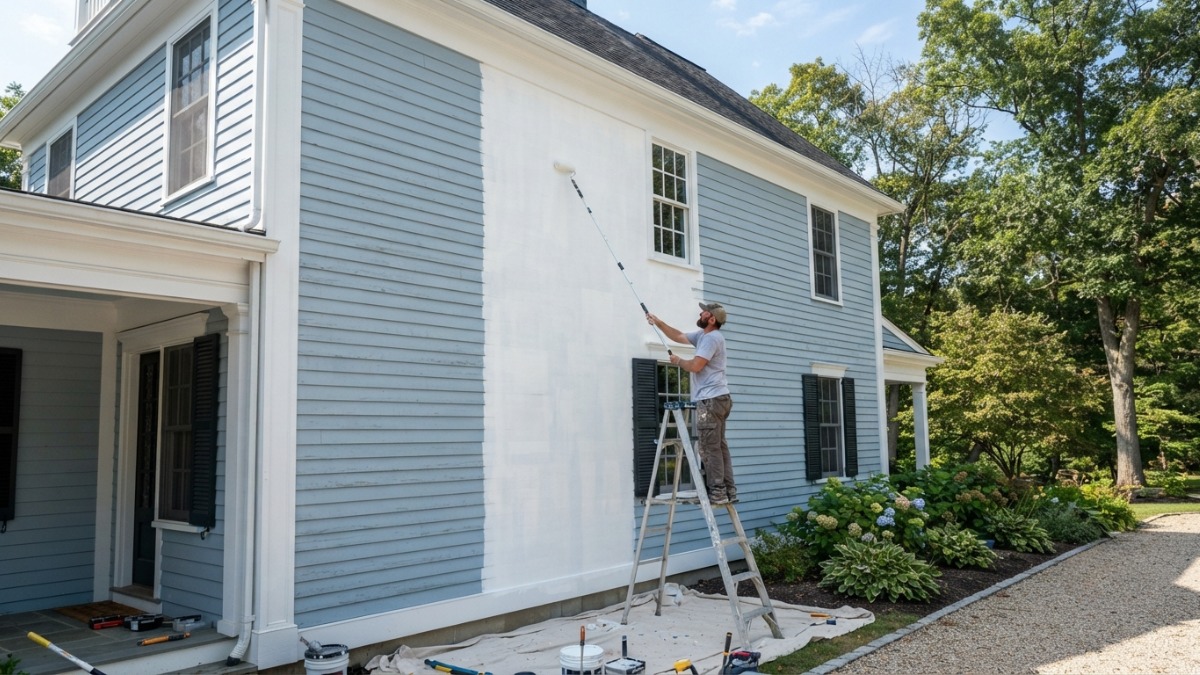
A professional painting schedule should outline more than the expected completion date. It should clearly explain each stage of the project, from surface preparation and painting to cleanup and the final walkthrough.
A complete schedule often includes:
- Power washing and surface cleaning
- Drying time before preparation begins
- Scraping, sanding, repairs, and caulking
- Primer application where needed
- Finish coat application
- Daily cleanup procedures
- Final inspection and homeowner walkthrough
Knowing the sequence of work makes it easier to understand how weather delays or additional repairs could affect the timeline.
What Questions Should You Ask About Weather Before Approving The Project?
A written estimate is only part of the planning process. Discussing how the contractor handles changing weather conditions, including the right outdoor painting temperature, helps set clear expectations before work begins.
Consider asking:
- How do you determine whether conditions are suitable for painting?
- What happens if rain is forecast after work begins?
- How are overnight temperature changes handled?
- Will the schedule change if surfaces remain damp longer than expected?
- How do you protect partially completed work during unexpected weather delays?
These conversations help establish clear expectations before the first day of the project.
How Can Homeowners Extend The Life Of An Exterior Paint Job?
Proper maintenance helps protect your investment long after the project is complete. Regular inspections and minor upkeep can extend the life of the paint system and reduce the likelihood of premature repairs.
To help maximize the lifespan of exterior paint:
- Clean dirt, pollen, and mildew from siding periodically.
- Inspect caulk around windows and doors each year.
- Keep gutters and downspouts clear to prevent water from running down painted surfaces.
- Trim trees and shrubs that trap moisture against the house.
- Touch up small chips or damaged areas before they spread.
Regular maintenance helps preserve both the appearance of the home and the protective qualities of the paint system.
Why Is It Better To Schedule Exterior Painting Before Paint Starts Failing?
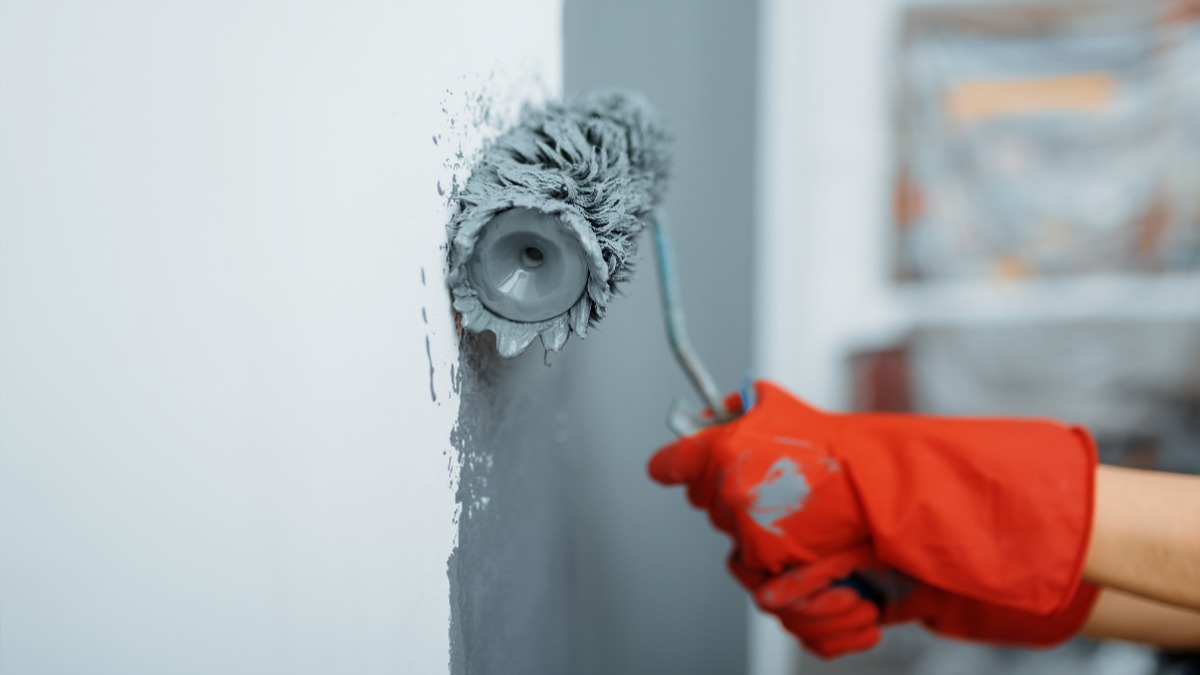
Addressing paint deterioration before significant peeling or wood exposure occurs often reduces the amount of preparation required. Early repainting can help preserve exterior materials and keep maintenance costs more manageable.
Watch for these early warning signs:
- Fading or chalky paint that rubs off on your hand
- Small cracks developing around trim and joints
- Caulk beginning to shrink or separate
- Minor peeling in isolated areas
- Exposed primer or thin paint coverage on high-sun walls
Addressing these issues early can help protect the home’s exterior and may reduce the amount of prep work required before painting.
Frequently Asked Questions (FAQs)
How long should homeowners wait before washing a newly painted exterior?
Allow the paint to fully cure before washing the surface. Follow the paint manufacturer’s recommendations, as curing time varies by product and weather conditions.
Can exterior painting increase a home’s resale appeal?
Yes. A freshly painted exterior can improve curb appeal and help create a positive first impression for potential buyers.
Is it better to paint the entire exterior at once?
In most cases, yes. Painting the entire exterior at one time provides a more consistent color, finish, and overall appearance.
Do darker exterior paint colors require more maintenance?
They can. Darker colors may fade more quickly in areas with prolonged sun exposure and may require touch-ups sooner.
How often should homeowners inspect their exterior paint?
Inspect painted surfaces at least once a year for peeling, cracking, moisture damage, or failing caulk so small problems can be addressed early.
Schedule Your Exterior Painting Project With West Hartford House Painting Experts
Planning an exterior painting project starts with understanding your home’s condition and choosing the right weather window. If you’re trying to determine the best time to paint a house exterior, West Hartford House Painting Experts can evaluate surface conditions, weather patterns, and preparation needs before work begins.