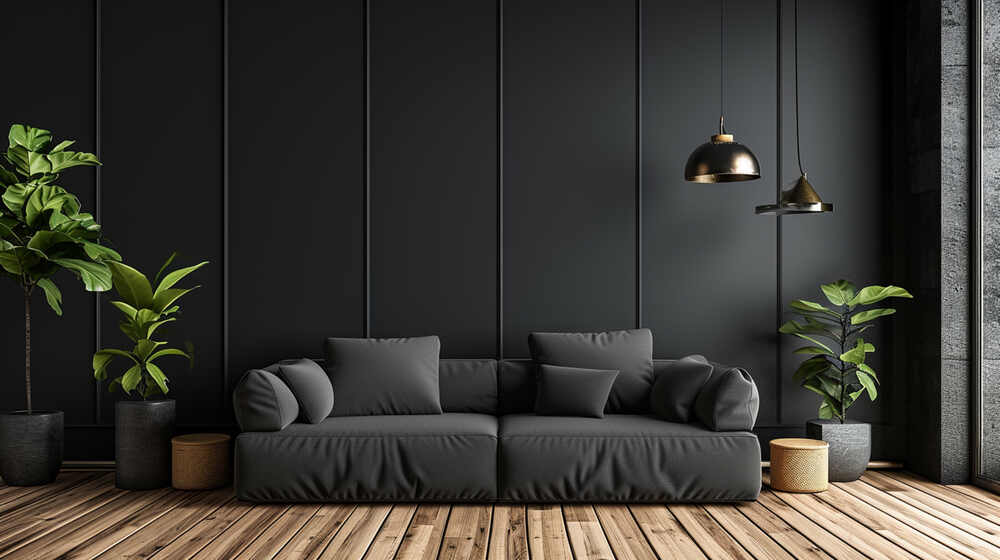
Key Takeaways Dark and muted tones like charcoal gray and navy blue absorb light, making wall imperfections less noticeable. Dark and muted tones like charcoal gray and navy blue absorb light, making wall imperfections less noticeable.
Earthy shades such as forest green and olive green create depth while seamlessly masking dents and scratches. Rich, warm hues like espresso brown and deep burgundy add elegance while concealing uneven textures. Soft, medium-dark tones like slate blue and smoky blue minimize visual distractions and blend imperfections smoothly. Neutral options like warm taupe and dusty mauve provide balanced coverage, making flaws less prominent in various lighting conditions. Bold colors like charcoal black and chocolate brown effectively hide scuffs and blemishes while adding a striking, modern touch. |
Choosing the right paint color can make a significant difference in how imperfections on your walls appear. Scratches, dents, uneven textures, and other blemishes can stand out with the wrong shade, making a space look worn or outdated. Fortunately, certain colors and finishes can help disguise these flaws, creating a smooth and polished look without extensive repairs.
Beyond aesthetics, a fresh coat of interior paint is also a smart investment. With an average return on investment (ROI) of 107%, painting your home can increase its selling price by $2,140 to $16,050. By selecting the right shades, you not only enhance your home’s appearance but also boost its market value.
Here are the best paint colors that hide imperfections effectively.
12 Best Paint for Hiding Wall Flaws
1. Charcoal Gray
Charcoal gray is a dark, rich tone that effectively absorbs light, making it one of the best paint colors to hide imperfections. This shade minimizes the appearance of dents, scratches, and uneven textures on walls. It also adds sophistication to any space without overwhelming the decor.
How Charcoal Gray Conceals Wall Blemishes
- Light Absorption: Reduces glare and prevents imperfections from being highlighted.
- Deep, Muted Tone: Draws attention away from minor wall flaws.
- Versatile Appearance: Works well with modern, industrial, and classic styles.
- Complements Matte Finishes: Pairs well with the best paint finish for imperfect walls to enhance coverage.
Best Paint Finishes for Charcoal Gray
- Matte Finish: Offers a smooth, even look that further masks dents and scratches.
- Eggshell Finish: Provides slight durability while still softening imperfections.
- Satin Finish: Adds a hint of sheen but is forgiving on uneven surfaces.
Where to Use Charcoal Gray Paint
- Living Rooms: Creates a modern and sophisticated ambiance.
- Home Offices: Gives a professional and refined look while covering wall irregularities.
2. Navy Blue
Navy blue is a deep, timeless color that effectively masks uneven surfaces, dents, and minor wall flaws. Its depth creates a polished and structured look, making it a strong contender for what paint color hides imperfections best.
How Navy Blue Helps Conceal Imperfections
- Dark, Rich Pigment: Reduces the visibility of cracks and scratches.
- Balanced Undertone: Works well in natural and artificial lighting to soften flaws.
- Elegant Depth: Adds sophistication while minimizing distractions from wall blemishes.
Best Paint Finishes for Navy Blue
- Matte Finish: Provides the best coverage for concealing imperfections.
- Eggshell Finish: Offers a balance of durability and flaw coverage.
- Velvet Finish: Smooth yet non-reflective, making it an excellent choice for disguising imperfections.
Where to Use Navy Blue Paint
- Dining Rooms: Creates an elegant and inviting atmosphere.
- Accent Walls: Adds depth while minimizing the focus on imperfections.
- Bedrooms: Provides a calming and stylish retreat.
3. Forest Green
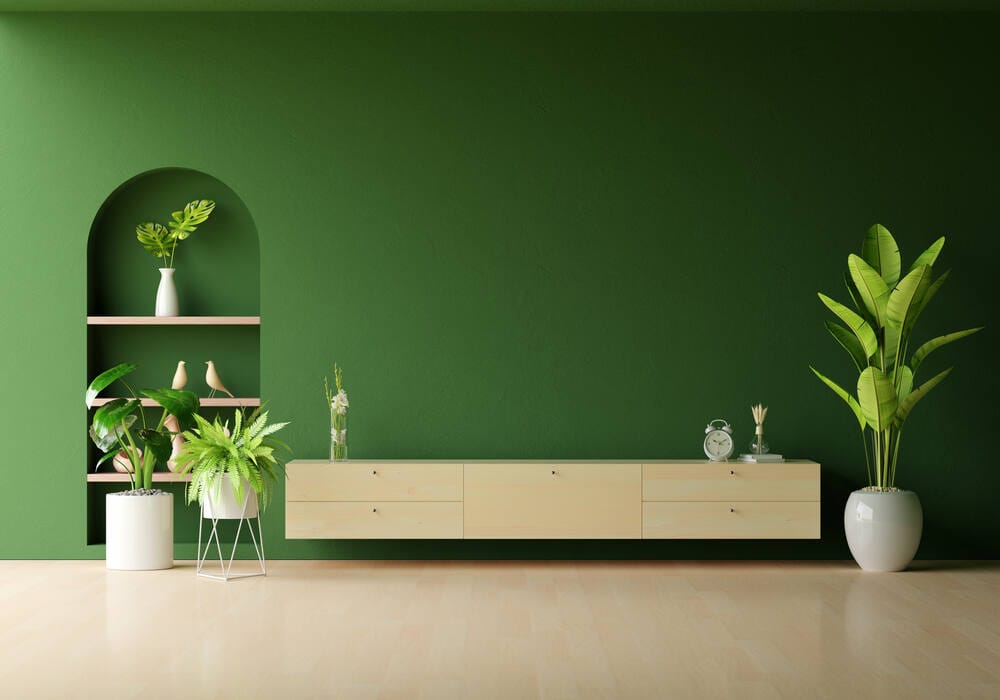
Forest green is a rich, earthy tone that hides wall imperfections while bringing warmth and depth to a space. This color is especially effective in homes with natural elements, as it blends seamlessly with wood, stone, and neutral accents.
How Forest Green Conceals Wall Blemishes
- Deep Pigment: Helps to disguise cracks, dents, and uneven textures.
- Natural Absorption of Light: Minimizes the appearance of surface flaws.
- Warm, Organic Feel: Makes imperfections less noticeable while enhancing the room’s aesthetic.
Best Paint Finishes for Forest Green
- Matte Finish: Offers the highest level of flaw concealment.
- Eggshell Finish: Softens wall imperfections while adding a touch of durability.
- Low-Sheen Satin: Hides minor flaws while allowing for easy cleaning.
Where to Use Forest Green Paint
- Living Rooms: Creates an inviting, nature-inspired ambiance.
- Study Rooms or Libraries: Adds a classic, sophisticated touch.
- Hallways: Hides scuffs and marks while maintaining a welcoming look.
4. Espresso Brown
Espresso brown is a rich, dark shade that conceals wall imperfections while adding warmth and sophistication to any space. Its deep hue minimizes the visibility of scuffs, patches, and uneven textures, making it an excellent paint to cover wall blemishes.
How Espresso Brown Helps Conceal Imperfections
- Dark, Saturated Color: Reduces the appearance of minor dents and scratches.
- Warm Undertones: Softens imperfections while creating a cozy ambiance.
- Non-Reflective Depth: Absorbs light, preventing flaws from being highlighted.
Best Paint Finishes for Espresso Brown
- Matte Finish: Provides full coverage while diffusing light.
- Eggshell Finish: Softens imperfections while allowing for easier maintenance.
- Satin Finish: Offers slight sheen without emphasizing wall flaws.
Where to Use Espresso Brown Paint
- Living Rooms: Adds richness while masking scuffs and blemishes.
- Dining Areas: Creates an elegant and intimate setting.
- Home Offices: Brings a sense of depth and sophistication.
5. Deep Burgundy
Deep burgundy is a rich, elegant color that camouflages uneven textures and minor wall blemishes. Its depth makes it one of the best paint colors for hiding wall flaws, while its luxurious tone adds a dramatic yet inviting feel to any space.
How Deep Burgundy Conceals Wall Imperfections
- Dark, Velvety Appearance: Reduces the visibility of cracks and rough spots.
- Balanced Undertone: Works well in dim or natural light without exposing flaws.
- Elegant Depth: Draws attention away from blemishes while enhancing the space’s aesthetic.
Best Paint Finishes for Deep Burgundy
- Matte Finish: Offers maximum concealment of wall flaws.
- Velvet Finish: Adds richness without making imperfections prominent.
- Eggshell Finish: Provides durability while softening blemishes.
Where to Use Deep Burgundy Paint
- Dining Rooms: Enhances a sophisticated and intimate atmosphere.
- Accent Walls: Provides depth while concealing uneven textures.
- Bedrooms: Creates a warm, inviting retreat.
6. Slate Blue
Slate blue is a muted, medium-dark color that subtly masks wall imperfections while maintaining a clean and serene look. It offers one of the best colors to conceal imperfections, making it an excellent option for a variety of spaces.
How Slate Blue Helps Conceal Imperfections
- Soft, Dusty Tone: Reduces the visibility of minor cracks and dents.
- Medium-Dark Depth: Helps even out uneven textures without overwhelming a room.
- Balanced Hue: Works well in both bright and dim lighting conditions.
Best Paint Finishes for Slate Blue
- Matte Finish: Reduces light reflection, minimizing wall flaws.
- Eggshell Finish: Adds slight durability while maintaining a muted effect.
- Satin Finish: Provides an easy-to-clean surface without overly emphasizing imperfections.
Where to Use Slate Blue Paint
- Living Rooms: Creates a relaxed yet refined atmosphere.
- Bedrooms: Adds a soft, tranquil feel.
- Hallways: Minimizes scuffs while maintaining a stylish appearance.
7. Olive Green
Olive green is an earthy, muted shade that blends well with various decor styles while effectively camouflaging wall imperfections. Its deep yet soothing tone makes it one of the best colors to conceal imperfections in both modern and classic interiors.
How Olive Green Helps Conceal Imperfections
- Soft, Natural Undertones: Reduces the appearance of minor dents and scratches.
- Low-Light Reflection: Absorbs light to prevent highlighting uneven textures.
- Earthy and Timeless: Pairs well with wood, stone, and neutral accents for a balanced look.
Best Paint Finishes for Olive Green
- Matte Finish: Hides surface flaws and provides a smooth, even look.
- Eggshell Finish: Offers subtle durability while maintaining a soft appearance.
- Satin Finish: Allows for easy cleaning while still minimizing imperfections.
Where to Use Olive Green Paint
- Living Rooms: Creates a grounded, inviting atmosphere.
- Entryways: Conceals scuffs and marks while maintaining a welcoming feel.
- Bedrooms: Provides a cozy and relaxing retreat.
8. Warm Taupe
Warm taupe is a neutral yet rich color that effectively disguises wall blemishes. Its depth and balance between warm and cool undertones make it one of the best paint colors for hiding wall flaws while adding an elegant touch to any space.
How Warm Taupe Conceals Imperfections
- Muted, Medium-Tone Hue: Softens the appearance of uneven surfaces.
- Balanced Undertones: Works well in both natural and artificial lighting.
- Versatile and Timeless: Blends seamlessly with a variety of color schemes.
Best Paint Finishes for Warm Taupe
- Matte Finish: Best for diffusing light and minimizing wall flaws.
- Eggshell Finish: Offers a hint of sheen while remaining forgiving on imperfections.
- Velvet Finish: Provides subtle elegance with excellent coverage.
Where to Use Warm Taupe Paint
- Living Rooms: Adds warmth and depth while masking imperfections.
- Bedrooms: Creates a cozy and sophisticated look.
- Hallways: Helps hide scuffs and marks in high-traffic areas.
9. Smoky Blue
Smoky blue is a muted, medium-dark shade that offers a subtle yet effective way to hide minor wall flaws. Its hazy, cool undertone makes it one of the best paint colors for hiding wall flaws while maintaining a serene and elegant atmosphere.
How Smoky Blue Helps Conceal Imperfections
- Soft, Muted Tone: Reduces the visibility of cracks and uneven textures.
- Balanced Cool Undertones: Works well in different lighting conditions.
- Subtle and Elegant: Provides a sophisticated look without drawing attention to blemishes.
Best Paint Finishes for Smoky Blue
- Matte Finish: Provides the highest level of flaw coverage.
- Eggshell Finish: Softens wall blemishes while adding slight durability.
- Satin Finish: Ensures an easy-to-clean surface while remaining visually forgiving.
Where to Use Smoky Blue Paint
- Bedrooms: Enhances a calm and restful environment.
- Bathrooms: Adds a spa-like feel while covering minor imperfections.
- Study Rooms: Enhances focus and creativity with a stylish, calming atmosphere. Research suggests that blue-toned spaces can boost productivity and inspire creative thinking, making this an excellent choice for work or study areas.
10. Chocolate Brown
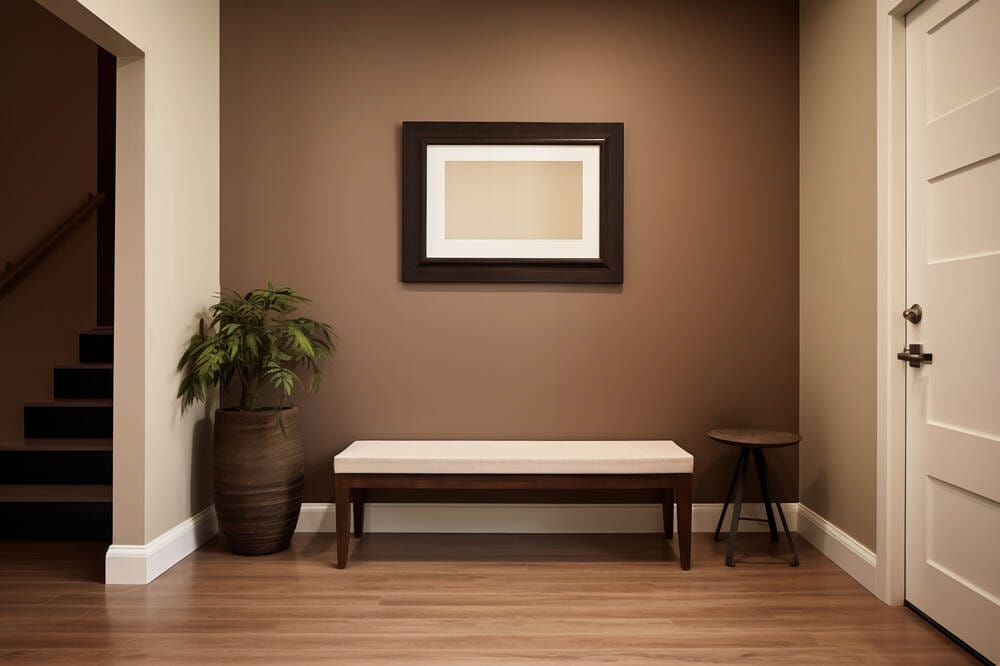
Chocolate brown is a rich, dark color that effectively masks wall flaws while adding warmth and depth to a space. Its deep pigment helps it blend imperfections seamlessly, making it one of the best paint colors for hiding wall flaws in both traditional and modern interiors.
How Chocolate Brown Helps Conceal Imperfections
- Dark, Saturated Tone: Minimizes the appearance of cracks, dents, and scuffs.
- Warm Undertones: Creates a cozy, inviting atmosphere while distracting from wall blemishes.
- Non-Reflective Depth: Reduces light reflection, preventing imperfections from standing out.
Best Paint Finishes for Chocolate Brown
- Matte Finish: Provides smooth, even coverage that conceals surface flaws.
- Eggshell Finish: Adds slight durability while keeping wall blemishes less noticeable.
- Satin Finish: Offers a balance between concealment and easy maintenance.
Where to Use Chocolate Brown Paint
- Living Rooms: Enhances a welcoming and sophisticated feel.
- Dining Areas: Adds elegance while masking wall flaws.
- Bedrooms: Provides a warm, cocoon-like effect for a cozy retreat.
11. Charcoal Black
Charcoal black is a dramatic, modern color that effectively absorbs light, making it a top contender for what paint color hides imperfections best. Its deep hue masks surface flaws while adding a sleek, contemporary feel to any room.
How Charcoal Black Helps Conceal Imperfections
- Strong Light Absorption: Reduces glare, preventing uneven textures from being highlighted.
- Deep, Uniform Color: Covers cracks, patches, and scuffs effectively.
- Bold and Timeless: Creates a stylish, modern look while minimizing wall blemishes.
Best Paint Finishes for Charcoal Black
- Matte Finish: Provides the best concealment for wall imperfections.
- Velvet Finish: Adds a luxurious depth without making flaws stand out.
- Eggshell Finish: Offers slight durability while maintaining a smooth look.
Where to Use Charcoal Black Paint
- Accent Walls: Adds depth and interest while minimizing surface flaws.
- Home Offices: Enhances a sleek and professional atmosphere.
- Media Rooms: Absorbs light, making it ideal for a cozy, cinematic space.
12. Dusty Mauve
Dusty mauve is a muted, medium-dark shade that offers a refined way to disguise wall blemishes. Its balance of warmth and coolness makes it one of the best colors to conceal imperfections while maintaining a soft, elegant look.
How Dusty Mauve Helps Conceal Imperfections
- Muted, Blended Tone: Softens the visibility of cracks, dents, and uneven textures.
- Medium-Dark Depth: Offers enough pigment to camouflage minor blemishes without being too heavy.
- Balanced Undertones: Works well in various lighting conditions, ensuring a smooth appearance.
Best Paint Finishes for Dusty Mauve
- Matte Finish: Provides an even, diffused look that hides flaws.
- Eggshell Finish: Softens wall blemishes while adding a touch of durability.
- Velvet Finish: Gives a rich, sophisticated appearance without emphasizing imperfections.
Where to Use Dusty Mauve Paint
- Bedrooms: Creates a soft, romantic ambiance.
- Living Spaces: Adds depth while keeping the space light and inviting.
- Bathrooms: Provides a sophisticated, spa-like feel while covering surface flaws.