
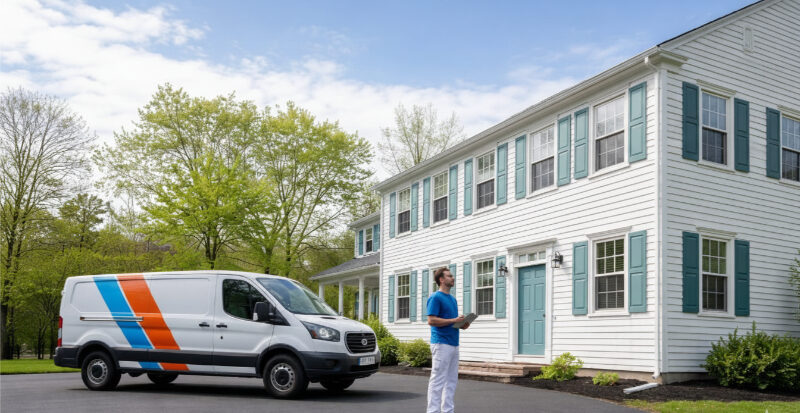
Exterior paint is not a permanent solution. In a state like Connecticut—where homes face freezing winters, humid summers, coastal air, and constant seasonal swings—paint durability depends on far more than the date it was applied. Homeowners often hear that exterior paint “lasts 10 years,” but that number rarely holds up without context.
Understanding how long exterior paint really lasts in Connecticut’s climate requires looking at materials, preparation, exposure, and maintenance. Knowing these factors helps homeowners set realistic expectations, spot early warning signs, and make smarter decisions about repainting before damage sets in.
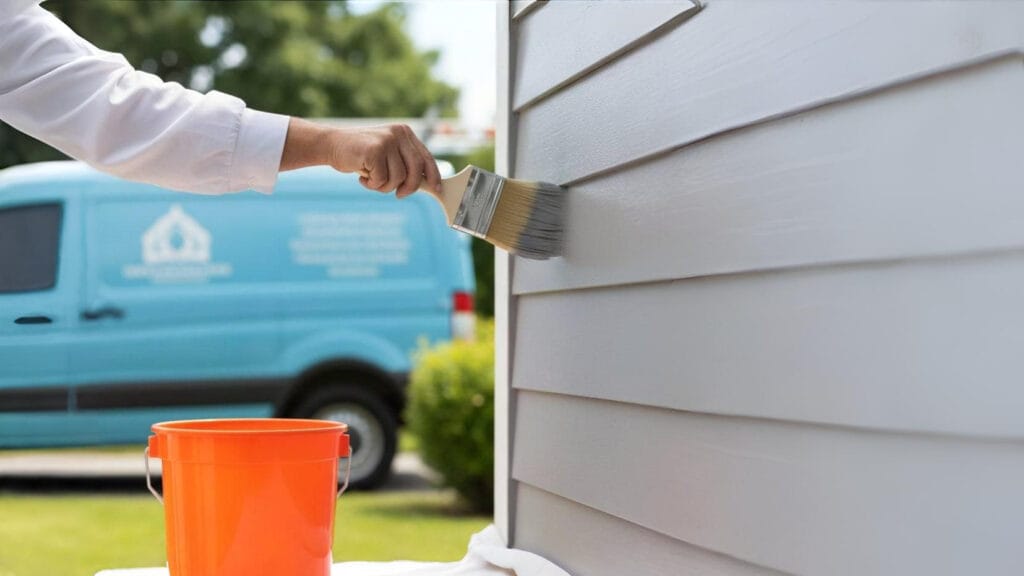
For most Connecticut homes, exterior paint lasts 7–10 years under normal conditions. That range shifts based on siding type, paint quality, and how exposed the home is to weather.
Here’s a realistic breakdown:
These estimates assume proper surface preparation and professional-grade paint. Shortcuts during prep or cheap coatings can cut those numbers in half.
Connecticut sits in a zone where paint fails faster than in milder regions. The problem isn’t just cold or heat—it’s constant change.
During winter, moisture penetrates tiny cracks in paint. When temperatures drop, that moisture freezes and expands, forcing paint to lift, crack, or peel. Repeated freeze-thaw cycles accelerate failure, especially on wood siding and trim.
High humidity prevents paint from fully curing if applied incorrectly, and intense summer sun breaks down binders over time. South- and west-facing walls fade and chalk faster due to UV exposure.
Connecticut averages significant annual precipitation. Poorly sealed paint allows water to soak into siding, leading to blistering, peeling, and eventually rot or corrosion beneath the surface.
Homes closer to the coast or busy roadways face additional stress from salt, pollution, and airborne contaminants, all of which degrade paint films faster.
Not all siding reacts to paint the same way.
Wood expands and contracts with humidity changes. Even the best paint struggles if moisture control isn’t handled properly. Regular maintenance is critical, and wood often requires repainting sooner than other materials.
Aluminum doesn’t absorb moisture, but it oxidizes. Once chalking begins, paint adhesion weakens unless surfaces are thoroughly cleaned and primed.
Vinyl is designed not to be painted, but modern paints can bond successfully. Longevity depends on proper cleaning and using vinyl-safe coatings that flex with temperature changes.
Fiber cement holds paint better than most materials. It’s dimensionally stable, moisture-resistant, and less affected by temperature swings, making it one of the longest-lasting options in Connecticut.
Exterior paint isn’t all the same. Lower-cost paints often contain less pigment and weaker binders, which means:
High-quality exterior paints are engineered to flex, resist UV damage, and repel moisture—critical traits in Connecticut’s climate. While better paint costs more upfront, it often extends repaint cycles by several years.
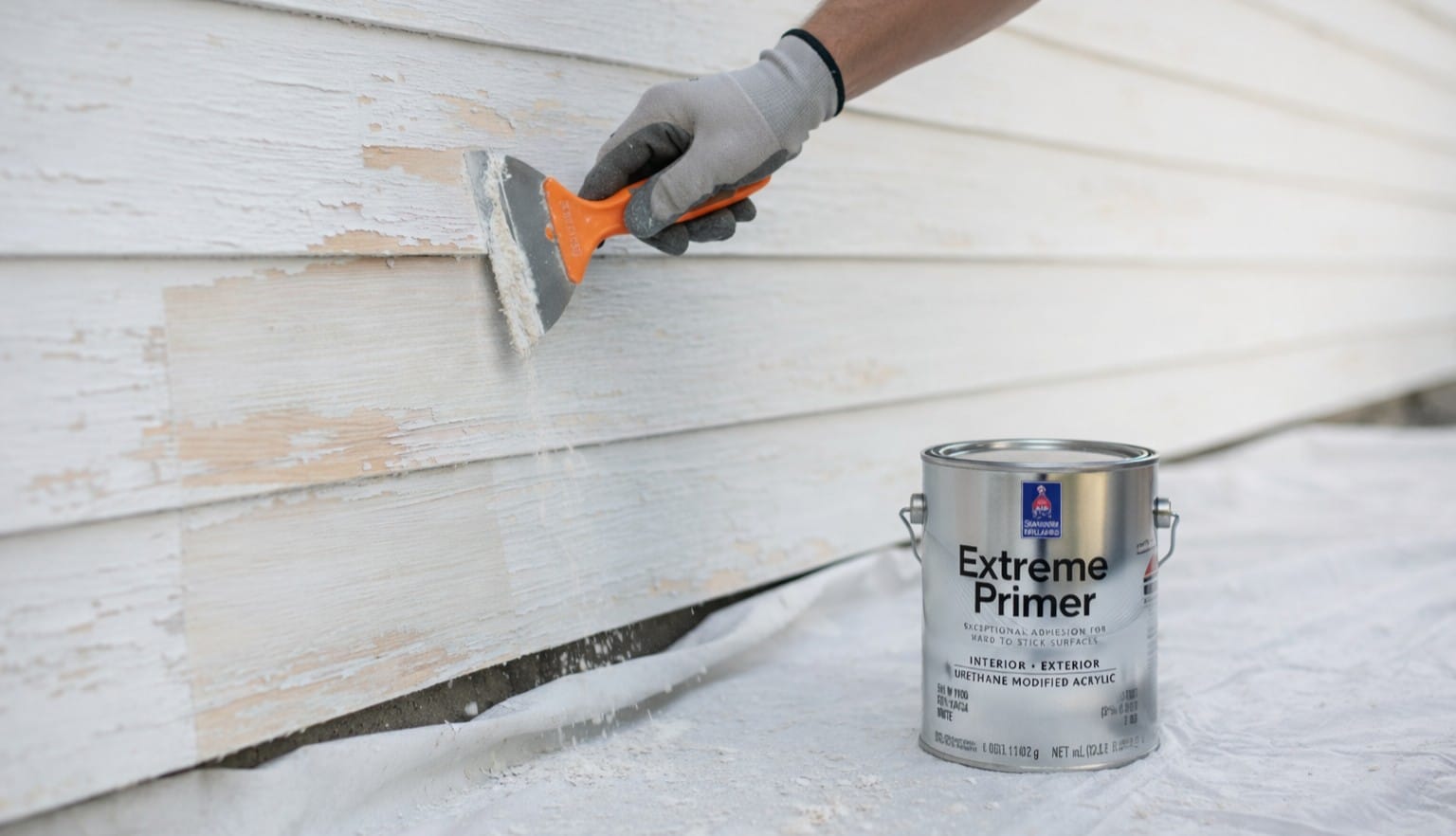
Most exterior paint failures aren’t caused by weather alone—they’re caused by poor preparation.
Essential prep steps include:
Skipping or rushing prep prevents paint from bonding properly. Even premium paint will fail early if applied over dirty or deteriorating surfaces.
Not all sides of your house age equally.
It’s common for Connecticut homeowners to repaint one or two sides of a home before others due to uneven wear.
Waiting until the paint is completely failing can lead to costly repairs. Watch for these early indicators:
These signs mean the protective barrier is breaking down. Addressing them early often prevents moisture damage underneath.
Exterior paint doesn’t require constant attention, but light maintenance makes a measurable difference.
Helpful practices include:
These steps slow deterioration and can add several years to a paint job’s lifespan.
DIY painting can work for small projects, but longevity often suffers on full exterior repaints. Common DIY pitfalls include:
Professionals understand how Connecticut’s climate affects curing times, adhesion, and product selection. That expertise directly impacts how long the paint lasts.
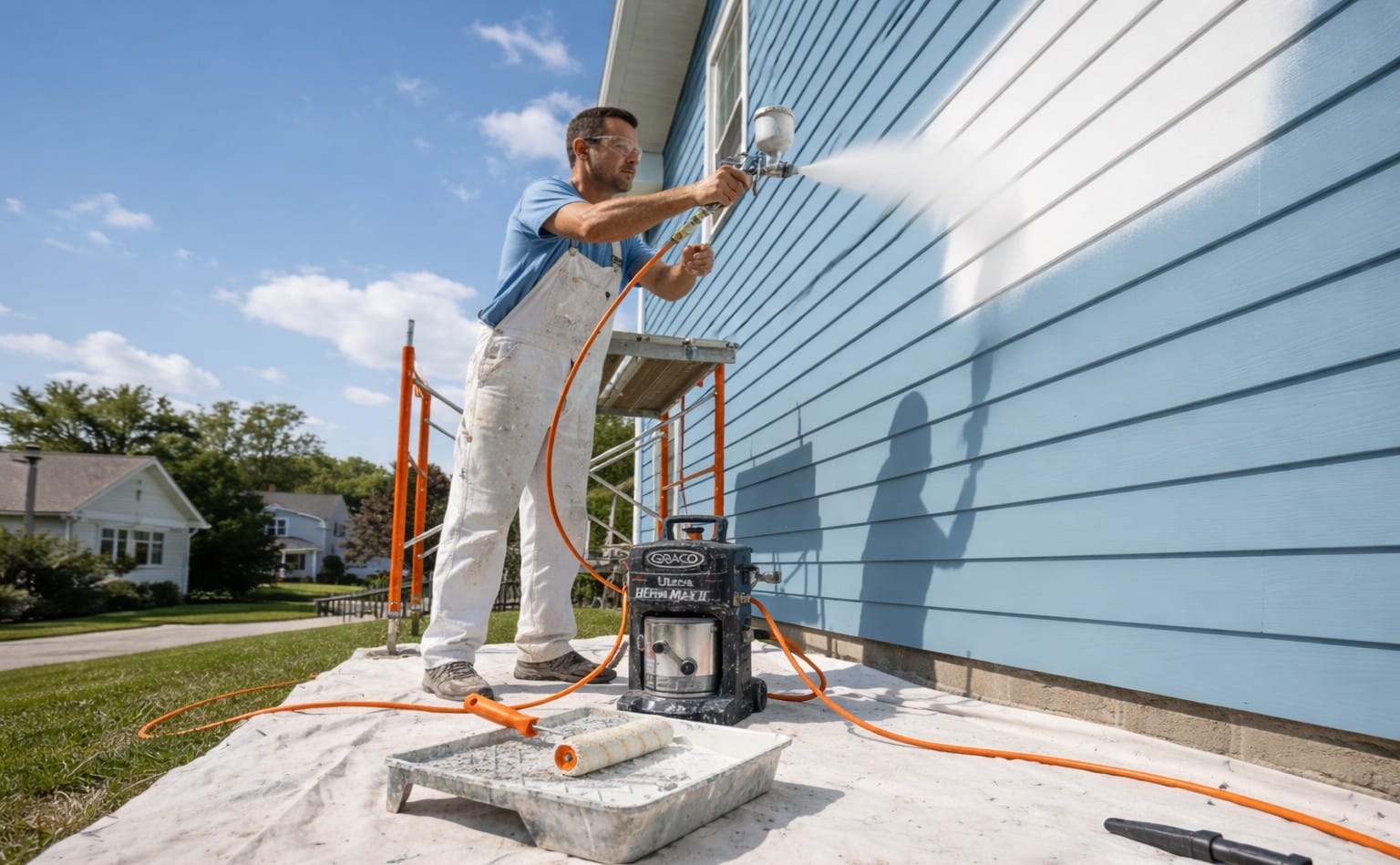
In Connecticut, exterior paint is a maintenance cycle, not a one-time upgrade. Most homeowners should expect to repaint every 7–10 years, sooner for wood-heavy homes or properties with heavy sun exposure.
The goal isn’t to chase the longest possible timeline—it’s to repaint before paint failure allows moisture to damage the structure underneath.
Exterior paint is more than cosmetic. It’s a critical protective layer that shields your home from moisture, temperature swings, and environmental damage. Understanding how long paint lasts in Connecticut’s climate helps homeowners plan ahead, budget wisely, and avoid preventable repairs.
Working with West Hartford House Painting Experts ensures the right materials and methods are used from the start. When done correctly, a high-quality exterior paint job doesn’t just look better—it performs better for years to come.
Most exterior paint jobs in Connecticut last 7–10 years, depending on siding material, paint quality, surface preparation, and exposure to sun and moisture.
Yes. Freeze-thaw cycles, humidity, UV exposure, and frequent precipitation all accelerate paint breakdown compared to milder climates
Fiber cement siding lasts the longest, often 10–15 years, while wood siding typically requires repainting sooner due to moisture absorption and expansion.
Yes. Premium exterior paints resist UV rays, moisture, and cracking far better than lower-grade products, often extending repaint cycles by several years.
Peeling, fading, bubbling, chalky residue, and cracked caulk are early warning signs that paint is no longer protecting the home.