
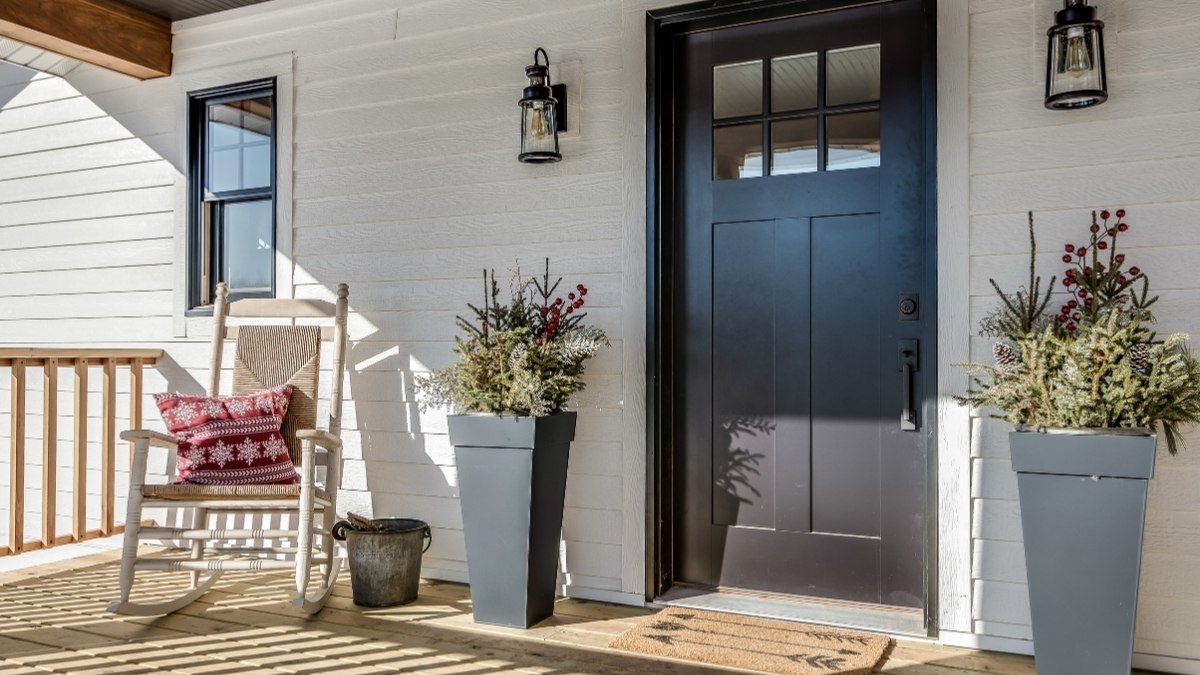
What’s In This Guide
A fresh front door color can sharpen curb appeal, but paint alone cannot correct peeling paint, moisture damage, rust, or poor adhesion. The finish lasts only as well as the surface beneath it. Homeowners searching for a front door painting service near them should ask what preparation the door needs before choosing a color.
In West Hartford, front doors may face strong sun, rain, winter moisture, temperature swings, and repeated contact around handles and edges. A professional assessment can determine whether the project needs basic cleaning and scuff sanding or more involved scraping, repairs, priming, and coating.
Quick Facts
- Peeling, cracking, rust, bare wood, and glossy finishes usually require more than cleaning.
- Sanding smooths defects and creates a better bonding surface, but it must be done safely.
- Primer matters on bare wood, repaired areas, exposed metal, stained surfaces, and doors undergoing major color changes.
- Door material, exposure, and the existing coating determine the appropriate paint system.
- In pre-1978 homes, disturbing old paint may require lead-safe work practices.
When Does a Front Door Need More Preparation?
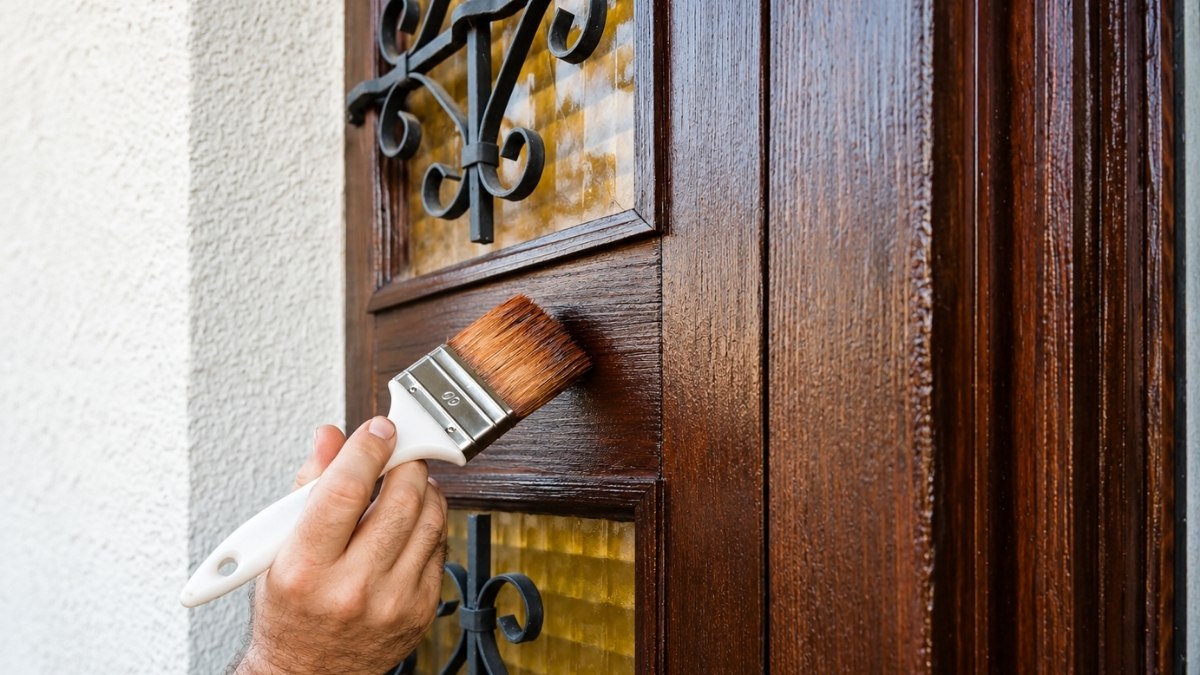
A sound, clean door with firmly bonded paint may need only washing, light scuff sanding, spot priming, and two finish coats. More preparation is appropriate when you see peeling or blistering paint, exposed wood or metal, rust, deep scratches, failed filler, a slick glossy coating, water stains, soft wood, open seams, or heavy paint buildup that affects how the door closes.
Painting directly over these conditions may hide them briefly, but the new coating can lift, crack, or show uneven texture.
Why Sanding Matters Before Door Painting
Sanding feathers rough paint edges so they do not show through the finish. It also dulls glossy surfaces, so primer or paint can grip more reliably. Complete stripping is not always necessary. A painter may remove loose material, smooth transitions, and preserve sound coatings.
Dust control matters in older homes. The U.S. Environmental Protection Agency explains that sanding and scraping can disturb painted surfaces and create lead-contaminated dust in pre-1978 housing. EPA rules generally require firms paid to perform work that disturbs painted surfaces in pre-1978 homes and child-occupied facilities to be certified and use trained renovators who follow lead-safe work practices. Discuss the property’s age and planned preparation before work starts.
When Is Primer Necessary?
Primer is not automatically required over every intact painted door, but it becomes important when the surface is porous, patched, stained, or difficult to bond to.
A painter will often prime bare or weathered wood, areas sanded through to the substrate, repaired sections, exposed metal, treated rust spots, stained areas, slick surfaces, and doors undergoing a major color change.
Primer creates a more uniform base and can reduce uneven absorption. It does not replace repairs or moisture correction. If water enters through failed caulk, damaged weatherstripping, or exposed end grain, the source should be addressed first.
How Professionals Prepare a Front Door for Paint
1. Inspect the Door and Frame
The painter identifies the door material, coating condition, moisture concerns, rubbing points, hardware, and damaged areas.
2. Protect the Entry and Remove Hardware
Hardware may be removed or carefully masked. Floors, glass, sidelights, walls, and nearby surfaces should be protected.
3. Clean the Surface
Dirt, hand oils, mildew residue, and cleaner residue can interfere with adhesion. The door must be cleaned with an appropriate product and allowed to dry fully.
4. Scrape, Sand, and Repair
Loose paint is removed, rough edges are feathered, glossy coatings are scuffed, and defects are filled with compatible materials. This creates a smooth, solid foundation that helps the new paint adhere properly.
5. Prime Where Needed
Proper priming can help prevent bleed-through and promote a more uniform, durable finish.
6. Apply a Durable Door Finish
The topcoat should suit the substrate and exposure conditions and be applied according to the manufacturer’s specified temperature and humidity ranges, recoat times, and curing requirements. Thin, controlled coats usually level better than one heavy coat.
READ MORE: How Long Does Exterior Paint Really Last in Connecticut's Climate?
Choosing Paint for Doors and Frames
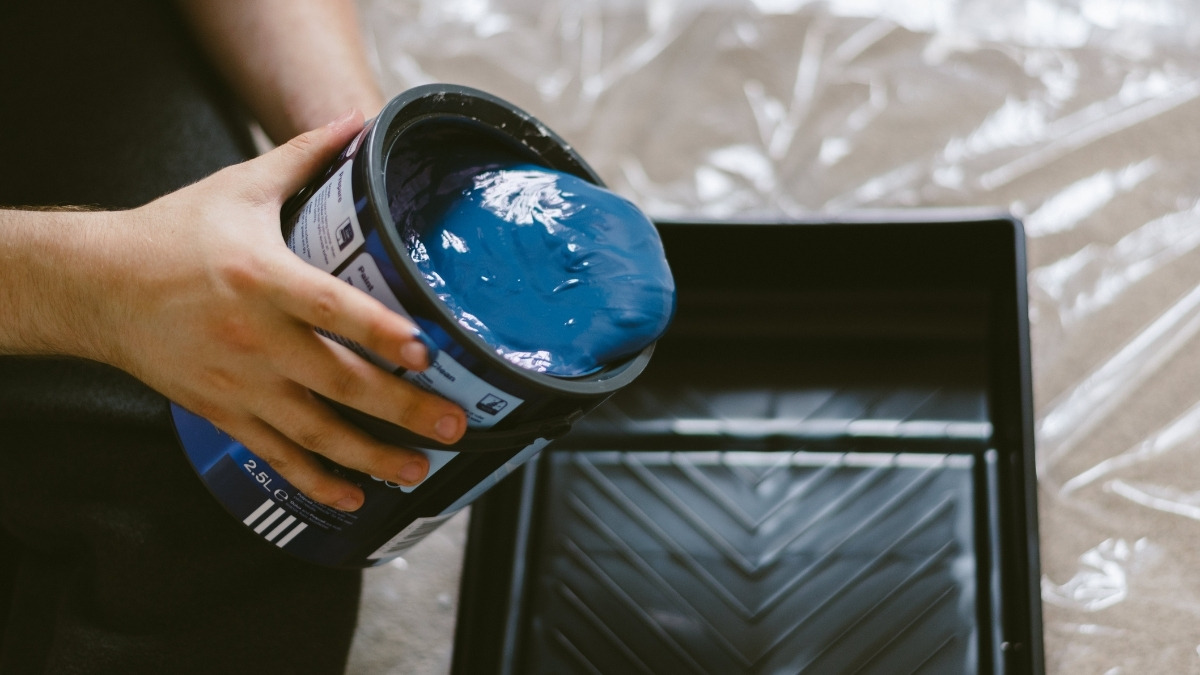
The term “paint for doors and frames” covers several product types. Wood, fiberglass, and steel doors, including those with factory-applied finishes, do not always accept the same primer or topcoat. Frames may also combine different materials.
Exterior wood finishes can protect against water, sunlight, and weathering. Substrate condition and moisture management therefore matter as much as color or sheen. A painter should verify compatibility and follow the coating manufacturer’s written instructions instead of relying on one universal product.
Frequently Asked Questions
Can a front door be painted without removing it?
Often, yes. The door can remain hung when access, weather, and drying conditions allow. Removal may improve access to edges or make extensive repairs easier.
How can I tell whether old paint is failing?
Look for lifting edges, bubbles, cracks, chalky residue, rust, soft wood, or paint that releases during gentle scraping.
Do front door painters near me need lead-safe certification?
Firms paid to perform work that disturbs painted surfaces in pre-1978 homes or child-occupied facilities generally must be certified and use trained renovators who follow lead-safe work practices. An exemption may apply when the affected surfaces have been properly documented as lead-free or the work falls under another regulatory exemption.
Should the frame be painted with the door?
Not always, but peeling trim, failed caulk, uneven wear, or a color change may make coordinated preparation worthwhile.
What causes a newly painted door to stick?
Common causes include thick paint buildup, uncured coating on edges, humidity-related movement, poor clearance, or existing rubbing points.
Schedule Door Painting in West Hartford
A durable finish starts with an honest assessment of the surface. West Hartford House Painting Experts can evaluate the door and frame, explain the required preparation, and recommend an appropriate coating approach.
For help with door painting near you, request an estimate before peeling, rust, or moisture damage spreads.