
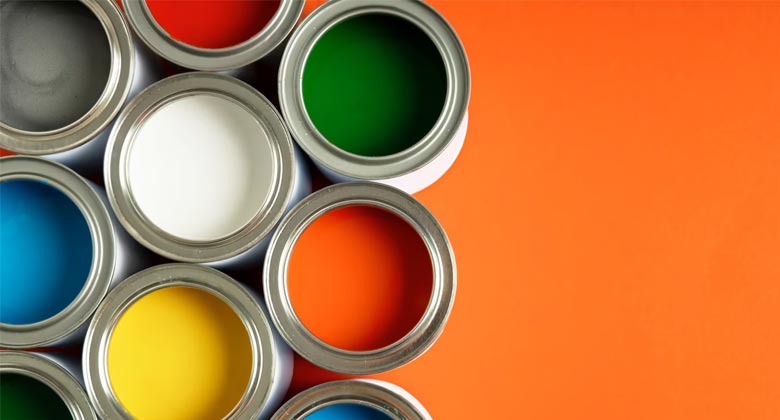
Choosing the right paint color is crucial when planning for house painting in West Hartford, CT. It not only enhances the overall look of your home but also helps conceal any imperfections on your walls. This blog post will discuss the best paint colors to hide flaws and blemishes and provide tips for achieving a flawless finish. Whether you’re tackling the job yourself or seeking professional help, these tips will help you achieve a stunning result.
Light plays a crucial role in how we perceive color, and it’s important to take it into account when choosing a paint color for your space. Natural light and artificial light can both impact the appearance of paint color.
Natural light, such as sunlight, can make paint colors appear brighter and more intense. It can also bring out the undertones in color, making warm colors appear warmer and cool colors appear cooler. However, natural light can also vary throughout the day and from season to season, which means that a paint color that looks great in one lighting condition may not look as good in another.
To account for the changing light conditions, consider testing your paint color at different times of day and in different weather conditions. This will give you a better idea of how the color will look in your space under different lighting conditions.
Artificial light, such as light bulbs, can also impact the appearance of paint color. Different light bulbs can produce different color temperatures, making a paint color appear warmer or cooler. It’s important to consider the type of lighting in your space when choosing a paint color and to test the color under different lighting conditions.
To test your paint color under artificial light, consider using different light bulbs, such as incandescent, fluorescent, or LED bulbs. This will give you a better idea of how the color will look in your space under different types of artificial lighting.
Choosing the right paint color to conceal imperfections can be challenging, but there are some additional tips you can follow to help you make the best choice for your space.
Paint color visualizers are online tools that allow you to upload a photo of your room and see how different paint colors will look on your walls. This can be a great way to experiment with different colors and see how they’ll look in your space before your house painting in West Hartford, CT.
Many paint manufacturers offer paint color visualizers on their websites, which can be useful when choosing a paint color for your walls. Simply upload a photo of your room, select the paint color you’re considering, and the visualizer will show you how that color will look on your walls.
When choosing a paint color to conceal imperfections, it’s also important to consider your existing decor. You want to choose a color that will complement your furniture, flooring, and other accessories rather than clash with them.
Consider the colors in your existing decor and choose a paint color that will work well with those colors. If you have neutral-colored furniture and accessories, you can choose a bolder paint color to create a focal point in your room. However, if your decor is already quite colorful, choose a more neutral paint color to balance out the space.
Rooms that receive a lot of natural light will look different than those that are darker or receive less light. Depending on the amount of natural light in your room, you may need to choose a brighter or darker shade of color.
If your room receives much natural light, choose a lighter paint color to create a bright and airy feel. If your room receives less natural light, choose a darker paint color to create a cozy and intimate feel.
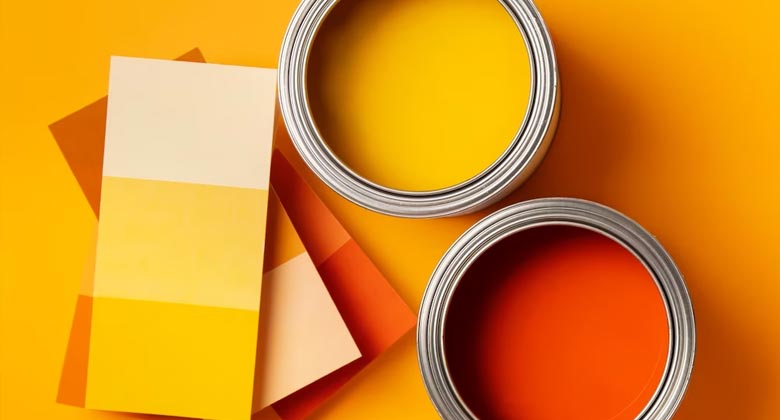
White and off-white paint colors are classic choices for a reason – they can help to hide wall imperfections. These colors reflect light well and can make a room feel brighter and more open. Examples of the best white and off-white colors for concealing flaws include Benjamin Moore’s Simply White and Sherwin Williams’ Alabaster.
Gray paint colors are another great option for hiding imperfections. They have a calming effect and can add sophistication to a room. Additionally, gray colors come in a range of shades, from light to dark, so you can choose the shade that works best for your space. The best gray colors for concealing flaws include Benjamin Moore’s Gray Owl and Sherwin Williams’ Agreeable Gray.
Beige paint colors have warm undertones that make a room feel cozy and inviting. These colors can also help to hide imperfections on walls. The best beige colors for concealing flaws include Benjamin Moore’s Revere Pewter and Sherwin Williams’ Accessible Beige.
Pale blue paint colors are calming and can make a room feel more spacious. They also work well for concealing wall imperfections. The best pale blue colors for concealing flaws include Benjamin Moore’s Serenity and Sherwin Williams’ Sea Salt.
The sheen of paint can also impact its appearance. Paint sheen refers to the level of glossiness or shininess in a paint finish. There are several different types of paint sheen to choose from, including flat, eggshell, satin, semi-gloss, and high-gloss.
Flat and eggshell finishes are the least reflective of all the paint sheens. They have a matte or velvety appearance and do not reflect light as much as glossier finishes. These finishes are great for hiding imperfections on walls and ceilings, but they can be more difficult to clean than glossier finishes.
Satin and semi-gloss finishes are more reflective than flat and eggshell finishes. They have a subtle shine, making a room feel brighter and more open. These finishes are also easier to clean than flat and eggshell finishes, making them a good choice for high-traffic areas such as hallways, kitchens, and bathrooms.
High-gloss finishes are the most reflective of all the paint sheens. They have a mirror-like appearance and can make a room feel more glamorous and sophisticated. However, they can also highlight imperfections on walls, making them a poor choice for walls with many blemishes.

Achieving a flawless paint finish requires careful preparation and attention to detail. Before you start house painting in West Hartford, CT, ensure you have all the supplies you need and have properly prepared your walls.
Preparing your walls properly is the first step in achieving a flawless paint finish. This involves sanding and priming your walls.
Sanding is smoothing out rough surfaces on your walls before painting over them. This can help create a more even surface, allowing your paint to go on more smoothly. Use a sanding block or sandpaper to sand the walls, and remove any rough patches or bumps.
Priming helps to cover up stains and prevent any bleed-through that might occur when painting over darker colors. It also provides a base for your paint to adhere to, helping it to last longer and look better. Choose a primer appropriate for your painting surface, and apply it evenly with a brush or roller.
Invest in high-quality paint and painting supplies to ensure a smooth and flawless painting in West Hartford, CT. This includes choosing paint with good coverage and durability and using high-quality brushes, rollers, and other painting tools.
To avoid drips, uneven coverage, and other imperfections, apply your paint in thin, even coats. Don’t overload your brush or roller with paint, and spread the paint evenly.
If you’re using a brush or roller, consider adding a paint conditioner or extender to your paint to help it go on more smoothly and reduce brush or roller marks. This can also help prevent paint from drying too quickly, leading to lap marks.
Take your time when painting to ensure you achieve a smooth and even finish. Let each coat of paint dry completely before applying the next, and avoid rushing the process.
Another option for hiding wall imperfections is to use textured paint. Textured paint contains additives, such as sand or other materials, that give it a rough or gritty feel. This can disguise small imperfections and create a unique look for your walls. There are many different types of textured paint to choose from, including smooth, rough, or even sparkly.

When painting over imperfections, you can hire a professional painter or tackle the job yourself. Each option has its own benefits and drawbacks.
By following the tips mentioned above, you can effectively hide imperfections on your walls and achieve a flawless finish. Whether you hire a professional painter or tackle the job yourself, use high-quality materials and follow best practices for painting over imperfections. For expert help with your house painting in West Hartford, CT, contact West Hartford House Painting Experts today.