
What’s In This Guide
A faded fence can make an otherwise cared-for property look neglected. Still, a quick coat rarely solves peeling paint, gray wood, mildew, loose boards, or moisture trapped near the ground. Homeowners searching for fence painters should expect a professional to evaluate the fence first, then recommend preparation and a coating that fits the wood’s condition and exposure.
Quick Facts
- Paint cannot correct rot, loose boards, or persistent moisture problems.
- Proper preparation may include cleaning, scraping, sanding, repairs, and drying time.
- Paint provides an opaque finish, while stain highlights more of the wood’s texture.
- Sun, rain, shade, vegetation, and ground contact affect how a fence coating ages.
- A clear estimate should identify prep work, coating type, application method, and cleanup.
Signs Your Fence Needs More Than Repainting
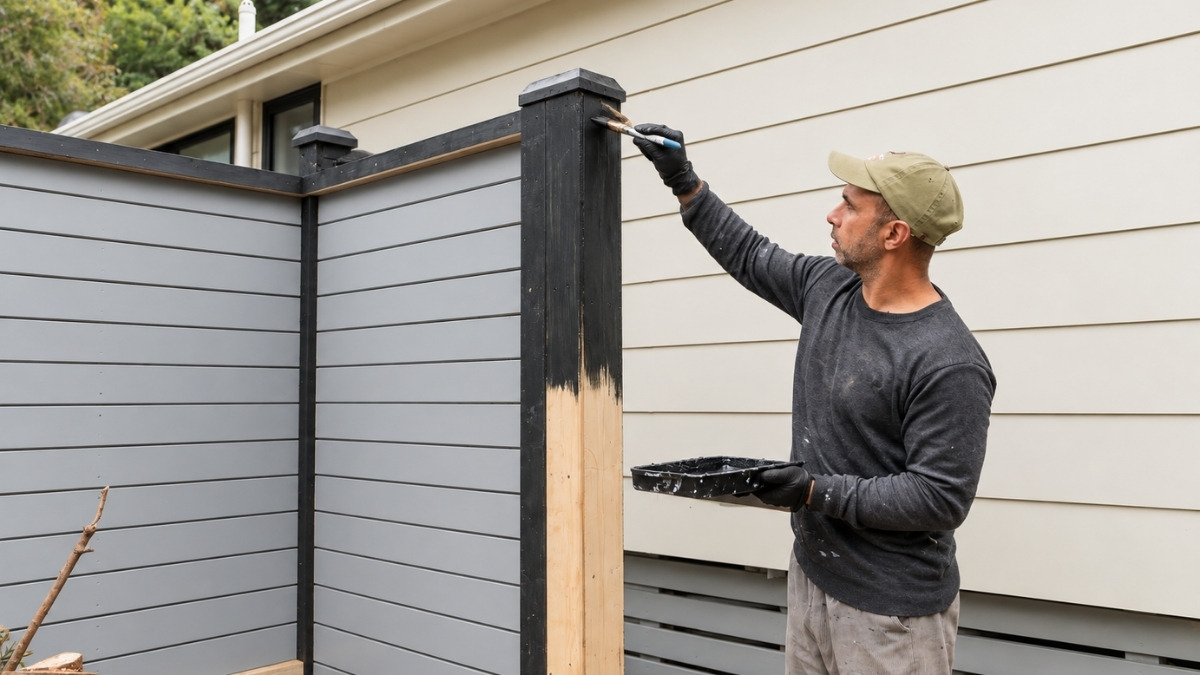
Peeling is only one warning sign. Look for soft wood at post bases, split pickets, rusting fasteners, green or black staining caused by mildew or algae, chalky residue, and boards that remain damp long after rain. These conditions can prevent a new coating from bonding evenly.
Gray wood also deserves attention. Sunlight breaks down the exposed wood surface over time, so weathered fibers may need cleaning and light sanding before paint or stain can adhere. If a fence moves when pushed, leans, or has extensive decay, structural repair should come before cosmetic work.
Older coatings may require extra safety planning. The U.S. Environmental Protection Agency notes that lead-based paint was often used on fences and porches. For an older painted fence at a pre-1978 property, avoid aggressive dry sanding or scraping until the coating has been assessed and appropriate lead-safe work practices can be followed.
Paint or Stain: Which Finish Fits the Fence?
Paint creates a solid-color film that can unify repaired boards, cover uneven coloration, and coordinate with a home’s trim. It usually requires more surface preparation because peeling or failing layers must be removed before recoating.
Stain penetrates or lightly coats the wood, depending on the product. It can preserve more visible grain and may wear gradually rather than peel in sheets. However, stain will not hide patched areas or major color differences as effectively as paint.
The right choice depends on the existing finish, wood species, desired appearance, and maintenance expectations. A fence painting company near you should not recommend switching from paint to stain without explaining how the existing paint film will be removed. Likewise, applying a new coating over a failing finish or damp wood can shorten its service life.
How to Prepare a Fence for Painting or Staining
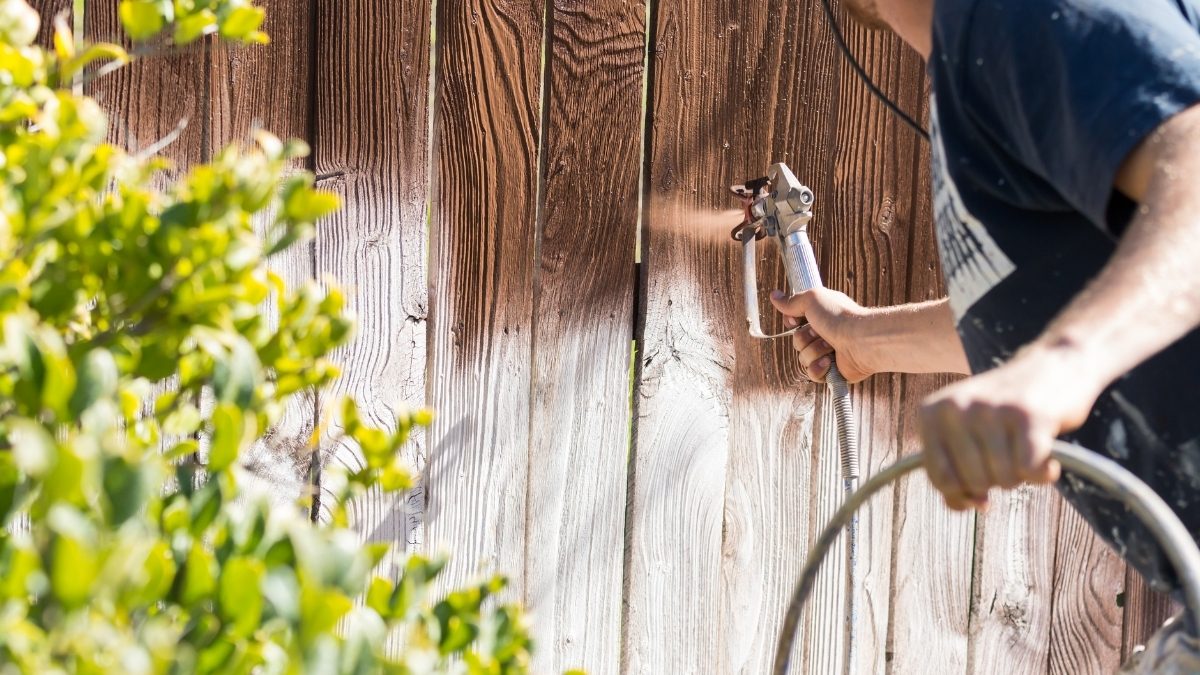
- Inspect the full fence. Check posts, rails, pickets, gates, fasteners, and areas near soil or sprinklers.
- Correct moisture sources. Trim vegetation, redirect irrigation, and address drainage that keeps the wood wet.
- Clean the surface. Remove dirt, mildew, pollen, and loose residue without damaging the wood fibers.
- Scrape and sand failing areas. Feather rough paint edges and smooth weathered fibers where needed.
- Repair defects. Replace decayed boards, secure loose components, set protruding fasteners, and fill minor damage where appropriate.
- Let the fence dry. Coating damp wood can trap moisture and weaken adhesion.
- Apply the specified system. Follow the coating label for primer, number of coats, temperature range, drying time, and recoat window.
Preparation often takes longer than application. That is normal. Experienced exterior house painters build prep time into the scope instead of treating it as an optional add-on.
READ MORE: 5 Modern Fence Paint Colors Trumbull Homeowners Love
Weather Exposure Changes the Maintenance Plan
A fence rarely weathers evenly. South- and west-facing sections often receive stronger sun. Shaded sections may dry slowly and develop mildew or algae. Bottom rails and post bases receive splashback, while gates experience repeated movement and hand contact.
Before scheduling work, review the forecast and product instructions. Avoid coating during rain, heavy dew, or conditions outside the manufacturer’s temperature and humidity limits. Trumbull’s seasonal weather also makes timing important. A dry stretch allows cleaning, repairs, drying, and recoating to happen in the correct order.
What Should a Fence Painting Estimate Include?
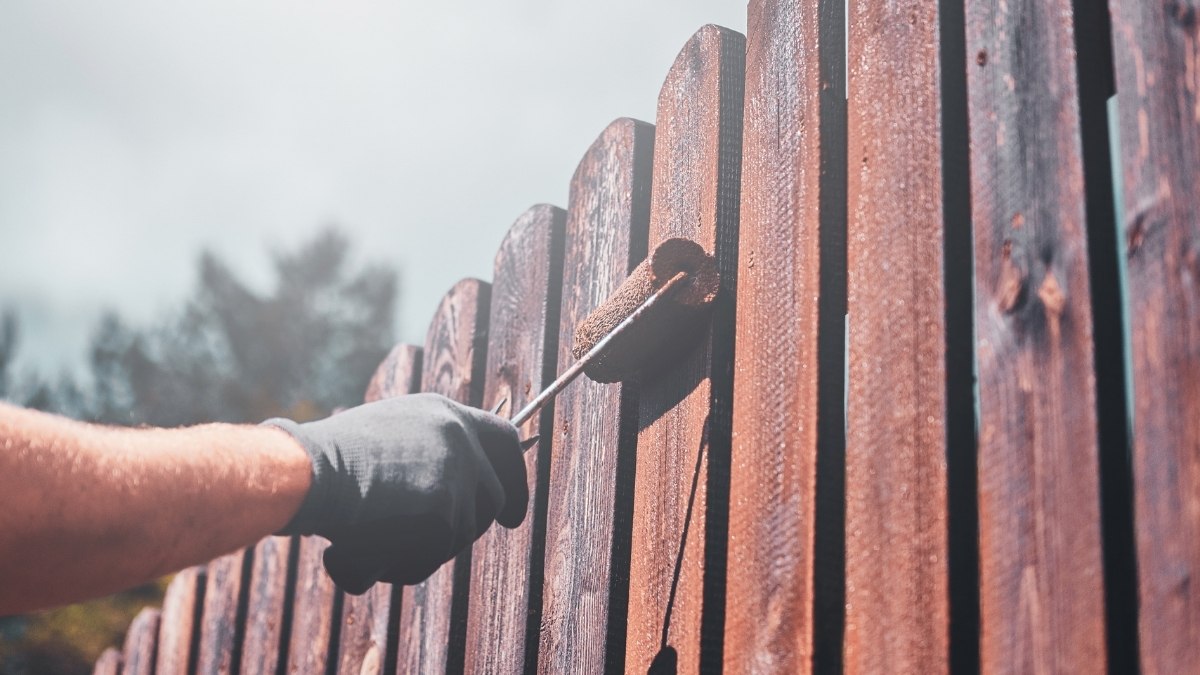
A useful estimate should describe the fence dimensions or specific sections included, current condition, cleaning method, scraping and sanding requirements, repairs, primer, paint or stain application, number of coats, measures to protect landscaping, and cleanup. It should also state what is excluded, such as major carpentry, post replacement, or lead testing.
Compare the scope of work, not just the total price. A lower quote may omit the preparation needed for a durable finish. Contact a trusted contractor for an accurate estimate.
Frequently Asked Questions
Can you paint over old fence paint?
Only when the remaining coating is firmly bonded, clean, dry, and compatible with the new system. Loose or peeling areas must be removed and feathered first.
Is stain better than paint for a wood fence?
Neither is universally better. Stain suits homeowners who want visible wood texture and simpler future maintenance. Paint offers stronger color coverage and a more uniform appearance.
How often should a fence be repainted or restained?
There is no single schedule. Exposure, wood condition, coating type, preparation quality, and drainage all affect maintenance timing. Inspect the fence annually and address small failures before they spread.
Should a wood fence be pressure washed before painting or staining?
Cleaning is usually necessary, but excessive pressure can damage the wood or force moisture deep into the boards. Use a suitable cleaning method, allow the fence to dry fully, and sand raised fibers when needed.
Can a damaged or rotting fence be painted?
Minor cracks, holes, and surface damage may be repaired before coating. Soft, rotted, loose, or structurally weakened boards should usually be replaced because paint or stain will not correct underlying deterioration.
Get a Fence Assessment in Trumbull, CT
A durable, attractive fence finish begins with proper preparation and the right coating for the wood’s condition. Trumbull House Painter Pros can inspect your fence, identify any repairs or surface issues, and recommend whether paint or stain is the better fit.
Request a free estimate today to protect your fence and improve the appearance of your property.