
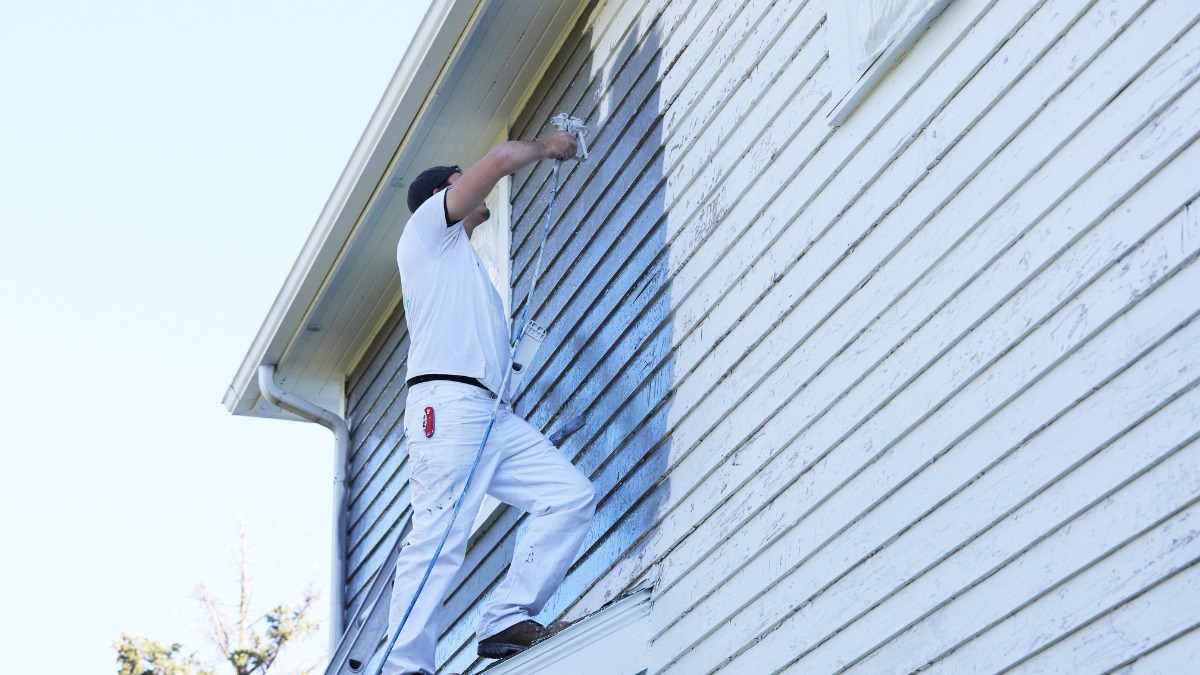
A professional paint job can improve curb appeal, protect interior and exterior surfaces, and support long-term home maintenance. However, not all contractors deliver the same level of workmanship.
When hiring a painting contractor in Trumbull, CT, homeowners should look beyond price and review registration, insurance, surface preparation, product recommendations, and project transparency before signing an agreement.
Whether the project involves interior walls, exterior siding, trim, ceilings, cabinets, or minor surface repairs, choosing the right contractor can help prevent premature peeling, uneven finishes, and costly corrections later.
What’s In This Guide
- What Does a Painting Contractor Do?
- Check Registration, Insurance, and Local Credibility First
- How to Evaluate a Painting Contractor Near You
- Interior vs. Exterior Painting: What Homeowners Should Ask
- Special Considerations for Older Homes in Trumbull
- Red Flags When Comparing a Painting Company Near Me
- Questions to Ask Before Hiring
- Frequently Asked Questions (FAQs)
- Request a Professional Painting Estimate in Trumbull
Quick Facts
- Prep work affects durability and finish quality.
- Verify registration and insurance first.
- Written estimates prevent confusion.
- Interior and exterior jobs need different methods.
- Older homes may need extra safety precautions.
What Does a Painting Contractor Do?

Painting contractors manage more than just applying paint. Professional house painting contractors typically oversee:
- Surface preparation
- Minor repairs
- Priming and sealing
- Paint selection
- Application techniques
- Cleanup and project management
A qualified contractor should also understand how different surfaces react to moisture, temperature, and wear over time. Exterior wood siding, drywall, cabinets, ceilings, and trim all require different preparation and coating methods.
For homeowners searching for a painting company near me, quality preparation often determines how long the finish lasts.
Check Registration, Insurance, and Local Credibility First
Before hiring a painting contractor near me, verify that the contractor is properly registered for residential work in Connecticut and carries insurance.
The Connecticut Department of Consumer Protection (DCP) requires residential home improvement contractors to register with the state. Homeowners can also review consumer guidance through the DCP before hiring contractors for residential work.
Proper insurance matters because painting projects involve ladders, scaffolding, tools, and property access. Liability coverage helps protect the homeowner if property damage or accidents occur during the project.
Homeowners should also evaluate:
- Local references
- Online reviews
- Photos of completed projects
- Communication responsiveness
- Estimate clarity
Be cautious of contractors who:
- Avoid written agreements
- Cannot provide insurance documentation
- Offer unusually low bids
- Demand large upfront payments
A reputable painting contractor in Trumbull, CT, should clearly explain project expectations before work begins.
How to Evaluate a Painting Contractor Near You
Step 1: Define the Scope of the Project
Clarify whether the project involves:
- Interior painting
- Exterior painting
- Cabinets
- Trim
- Ceilings
- Decks or fences
- Surface repairs
The more specific the scope, the more accurate the estimate will be.
Step 2: Ask About Surface Preparation
Preparation directly affects durability and appearance. Proper prep may include:
- Sanding
- Scraping loose paint
- Caulking gaps
- Patching drywall
- Power washing
- Priming surfaces
Skipping preparation can cause bubbling, cracking, and uneven coverage within a short period of time.
Step 3: Compare Detailed Written Estimates
A professional estimate should outline:
- Labor costs
- Materials
- Number of coats
- Surface preparation
- Timeline
- Cleanup expectations
- Warranty information
Vague pricing often leads to misunderstandings later.
Step 4: Review Paint Products and Materials
Different paints perform differently depending on the environment and surface.
For interior projects, low-VOC and low-odor products may improve indoor air quality. The U.S. Environmental Protection Agency (EPA) notes that paints and coatings can release volatile organic compounds (VOCs), which may affect indoor air quality.
Exterior coatings should also be selected based on:
- Moisture exposure
- Sunlight
- Seasonal temperature fluctuations
- Surface type
Step 5: Confirm Cleanup and Final Inspection
Professional contractors should protect:
- Floors
- Furniture
- Landscaping
- Fixtures
- Walkways
A final walkthrough helps identify touch-ups, missed spots, or cleanup concerns before the project is completed.
Interior vs. Exterior Painting: What Homeowners Should Ask
Interior and exterior painting projects require different preparation methods and materials.
Interior Painting Considerations
Homeowners should ask about:
- Wall repairs
- Furniture protection
- Ventilation
- Primer use
- Trim detailing
- Drying times
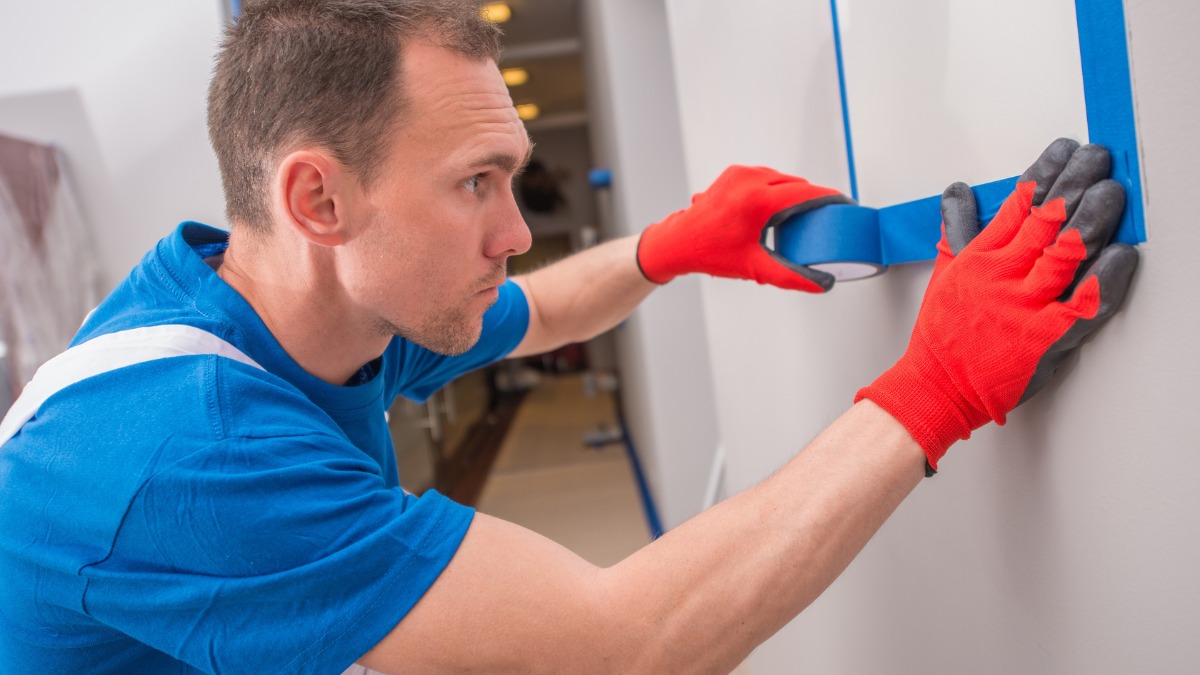
Interior projects often require careful masking and surface correction to achieve smooth finishes under indoor lighting.
Exterior Painting Considerations
Exterior surfaces face:
- UV exposure
- Moisture
- Temperature changes
- Dirt accumulation
Exterior preparation may include:
- Power washing
- Scraping peeling paint
- Caulking joints
- Treating damaged wood
- Priming exposed surfaces
Weather conditions also affect curing and adhesion. Painting during excessive humidity or rain can reduce coating performance.
MORE ON THIS TOPIC: Interior vs. Exterior House Painting: Which Should You Do First?
Special Considerations for Older Homes in Trumbull
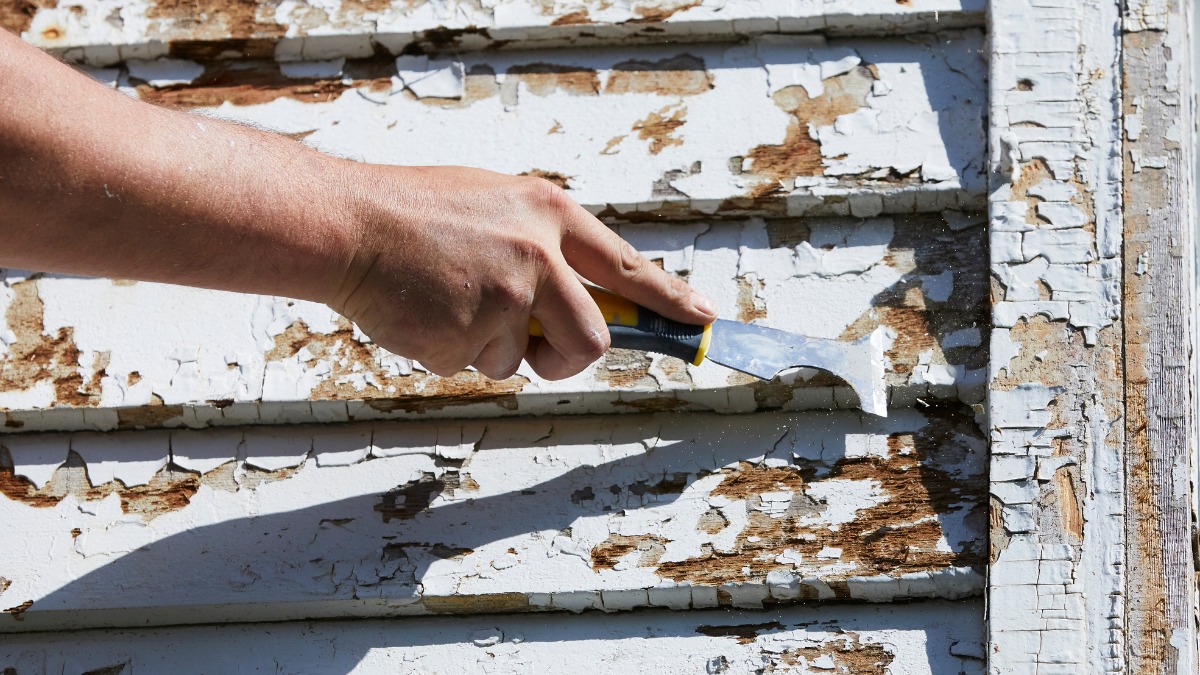
Older homes may require additional safety precautions during repainting projects.
Homes built before 1978 may contain lead-based paint. Disturbing older coatings during sanding or scraping can release hazardous lead dust.
Homeowners should ask contractors whether they follow EPA lead-safe work practices when working on older homes. Proper containment and cleanup procedures are especially important during renovation and repainting projects involving aging surfaces.
Red Flags When Comparing a Painting Company Near Me
When evaluating a painting company near you, homeowners should watch for warning signs that may indicate poor workmanship or unreliable service.
Common red flags include:
- No written estimate
- No insurance documentation
- Poor communication
- Extremely low pricing
- Lack of preparation details
- No local references
- Pressure to commit immediately
- No cleanup process
Quality painting requires time, preparation, and skilled application. Contractors who rush estimates or avoid discussing prep work may not deliver lasting results.
Questions to Ask Before Hiring
Before signing an agreement, homeowners should ask:
- Are you registered for residential work in Connecticut?
- Can you provide proof of insurance?
- What preparation work is included?
- How many coats are included in the estimate?
- What type of paint do you recommend?
- Do you handle minor surface repairs?
- How will you protect floors and landscaping?
- Is cleanup included?
- What happens if touch-ups are needed later?
These questions can help homeowners compare contractors more objectively.
Frequently Asked Questions (FAQs)
How do I choose a painting contractor in Trumbull, CT?
Look for registration, insurance, detailed estimates, clear preparation standards, relevant local experience, and strong communication. A professional contractor should explain the work before the project begins.
Why is preparation important before painting?
Preparation improves paint adhesion and helps prevent peeling, cracking, and uneven finishes. Proper prep can also help extend the lifespan of the paint job.
Should exterior painting be scheduled around weather conditions?
Yes. Temperature, humidity, and moisture can affect drying and adhesion. Professional contractors plan exterior projects around suitable weather conditions.
What should a painting estimate include?
A written estimate should include labor, materials, preparation, timeline, number of coats, cleanup details, and warranty information.
How long does a professional exterior paint job typically last?
The lifespan of an exterior paint job depends on surface preparation, paint quality, weather exposure, and maintenance. A properly prepared and professionally applied exterior finish can last several years, but results vary by home and conditions.
Request a Professional Painting Estimate in Trumbull
Hiring the right contractor involves more than comparing prices. Homeowners should evaluate preparation methods, insurance coverage, communication, material quality, and project transparency before making a decision.
For homeowners looking for local interior and exterior residential painting services, Trumbull House Painter Pros offers painting services for homes in the Trumbull, CT, area.