
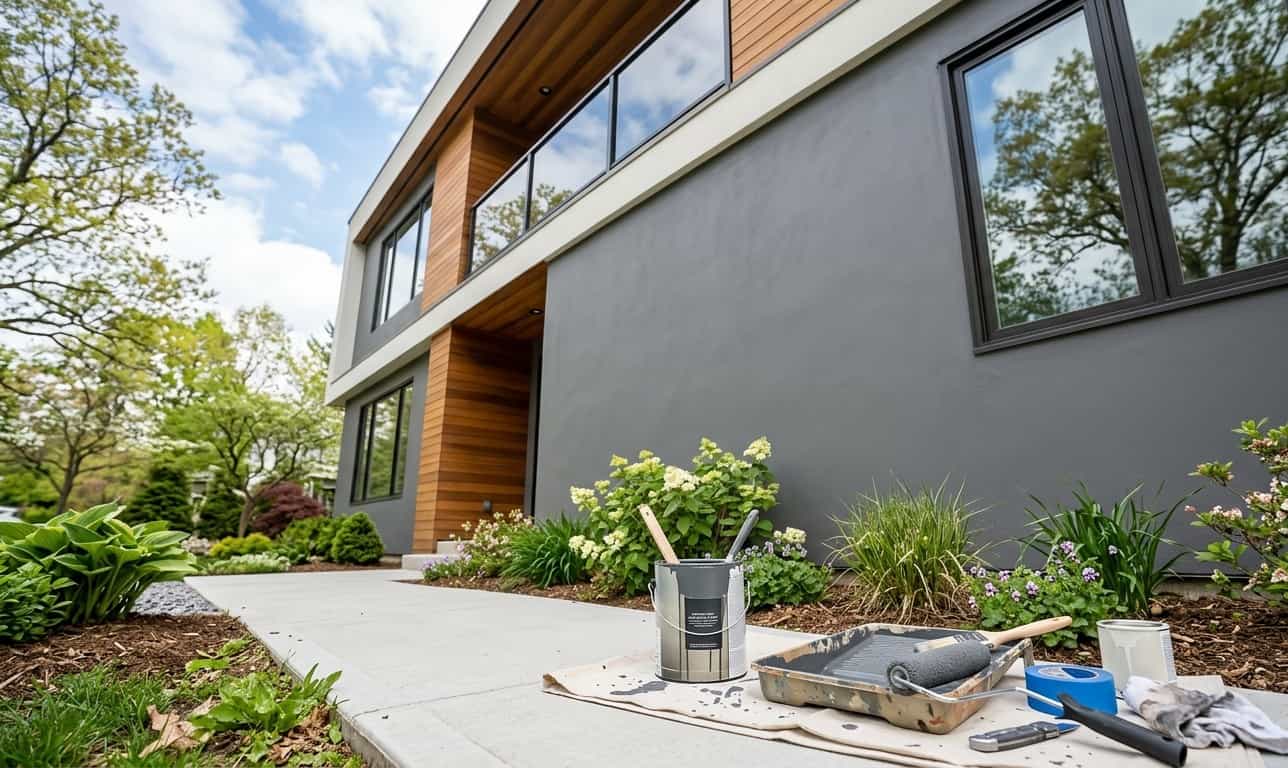
QUICK FACTS✔ The best months for exterior painting in Trumbull are May, June, September, and early October ✔ Ideal conditions fall between 50°F and 85°F with moderate humidity ✔ Late spring and early fall offer the most stable weather in Connecticut ✔ Avoid winter and late fall due to cold temperatures and moisture ✔ Always check a 7–10 day forecast before starting a project |
Painting your house at the right time directly affects how long the finish lasts. In Trumbull, CT, seasonal weather shifts can either support proper paint curing or cause early failure. The difference comes down to temperature, humidity, and moisture exposure during application and drying.
Exterior paint performs best within specific environmental ranges. Most modern paints require temperatures between 50°F and 85°F and moderate humidity to cure properly. Outside of these conditions, paint may not bond correctly or may dry unevenly.
Understanding how Trumbull’s climate affects paint performance helps homeowners plan projects that hold up over time.
Temperature plays a critical role in how paint bonds to surfaces. Most exterior paints require temperatures above 50°F during application and for several hours after.
Painting in colder conditions can lead to:
Nighttime temperatures are just as important. If they drop below 50°F, even a mild day can still compromise the finish.
Humidity affects how quickly paint dries and cures. High moisture levels slow evaporation, leaving paint tacky longer than expected.
This can cause:
For best results, humidity should stay below 70 percent.
Direct sunlight can overheat surfaces, causing paint to dry too fast and trap moisture. This leads to blistering and uneven finishes. Rain is another risk. Fresh paint needs at least 24 hours of dry weather. Any moisture during this period can damage the coating.
Late spring offers reliable painting conditions in Trumbull. Temperatures are moderate, humidity is manageable, and daylight hours are longer.
This allows for:
Early fall is often the most consistent season for exterior painting in Connecticut.
Conditions typically include:
Projects should be completed before late October, when nighttime temperatures begin to drop.
Painting is still possible during summer, but conditions require closer control.
Common challenges include:
To manage this:
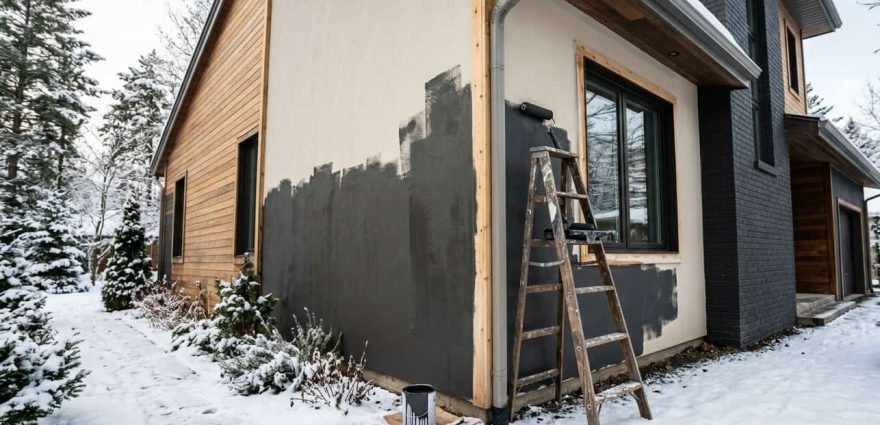
Late fall brings unstable temperatures and increased moisture.
Risks include:
Exterior painting is not recommended during winter.
Cold temperatures and moisture prevent paint from forming a durable bond, leading to cracking or peeling.
Modern exterior paints are more advanced and flexible than older formulas, but they still depend on proper weather conditions to cure correctly.
Different materials react differently and influence when painting should be done.
Sun exposure directly affects how paint dries on exterior surfaces. Areas in direct sunlight can heat up well beyond the air temperature, causing paint to dry too quickly.
This can lead to:
To maintain a consistent finish:
May, June, September, and early October offer the most consistent conditions, with moderate temperatures and lower humidity that support proper paint adhesion and curing.
Most exterior paint lasts 8 to 12 years, depending on surface preparation, paint quality, and exposure to weather conditions such as sun, moisture, and temperature changes.
Yes, but drying slows down and results may be less consistent. High humidity can lead to uneven finishes or longer cure times, so lower humidity levels are preferred.
No. Paint needs at least 24 hours of dry weather after application to cure properly, and rain during this period can cause bubbling, streaking, or wash-off.
Temperatures above 85°F to 90°F, especially in direct sunlight, can cause paint to dry too quickly and create an uneven finish.
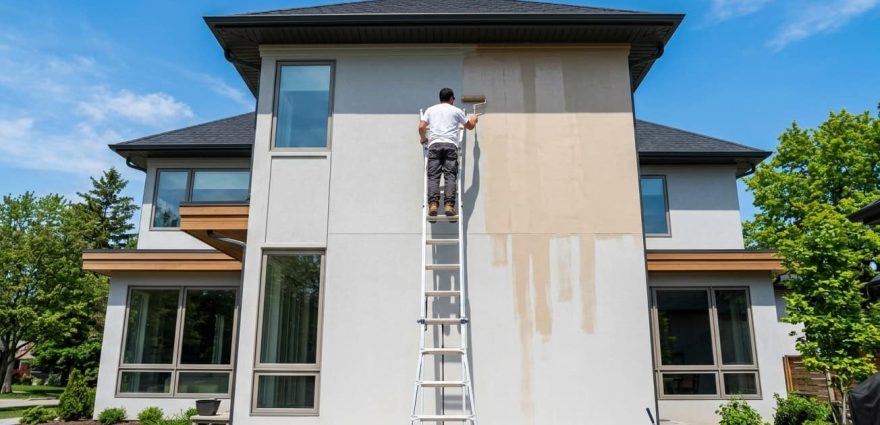
Choosing the right season helps your paint last longer and protects your home from weather damage. In Trumbull, late spring and early fall provide the most reliable results.
For homeowners looking to get it right the first time, working with experienced painting contractors in Trumbull, CT ensures proper timing, preparation, and long-term durability.